
Healing Power of Umbilical Cord Stem Cells in Sports Injuries
Treatments By body area Knee & joints Spine, neck & back Hip Shoulder By condition Autoimmune & inflammatory Neurological Diabetes Anti-aging & vitality Every treatment uses the same Passage 3 protocol. View all treatments How it works Your journey Testimonials Pricing About The center The company The stem cells Facilities People & place Dr. Diana Reyes The team About Medellín ENES Book your consultation Message us Treatments + By body area Knee & joints Spine, neck & back Hip Shoulder By condition Autoimmune & inflammatory Neurological Diabetes Anti-aging & vitality View all treatments → How it works Your journey Testimonials Pricing About + The company The stem cells Dr. Diana Reyes The team Facilities About Medellín ENES Book your consultation Message us on WhatsApp Regenerative science Healing Power of Umbilical Cord Stem Cells in Sports Injuries Sports injuries, ranging from sprains and strains to more severe conditions like ligament tears and tendon injuries, can significantly impact an athlete’s… By Dr. Diana ReyesJanuary 2026 Sports injuries, ranging from sprains and strains to more severe conditions like ligament tears and tendon injuries, can significantly impact an athlete’s performance and overall quality of life. In recent years, the use of stem cells derived from umbilical cord tissue has emerged as a revolutionary approach in the treatment and rehabilitation of these injuries, offering promising results backed by scientific research. Understanding Umbilical Cord Stem Cells Umbilical cord stem cells, primarily sourced from Wharton’s Jelly, are abundant in mesenchymal stem cells (MSCs). These stem cells are unique due to their high potency, ability to differentiate into various cell types, and capacity to secrete bioactive factors that promote healing and tissue regeneration. Benefits in Treating Sports Injuries Scientific Evidence Supporting Efficacy Growing scientific evidence supports the efficacy of umbilical cord-derived stem cells in treating sports-related injuries. Key studies include: Safe and Reliable Treatment Option One of the advantages of stem cells from umbilical cords is their ethical sourcing and lack of ethical concerns associated with other stem cell types. They are typically obtained from healthy donors after live births, ensuring a safe and robust source of potent cells for therapeutic applications. Conclusion In summary, the application of umbilical cord stem cells offers a groundbreaking approach to treating sports injuries. By leveraging their unique regenerative properties, these stem cells can enhance healing, reduce inflammation, and rebuild damaged tissues. With a growing body of scientific evidence supporting their efficacy in treating various injuries—including those affecting the knees, hips, ligaments, and muscles—umbilical cord stem cells are poised to become an integral part of sports medicine. For athletes and active individuals seeking innovative treatment options for sports injuries, the potential benefits of umbilical cord stem cell therapy warrant serious consideration. Talk to our medical team ← Keep reading Welcome to Medellín Your treatment can start this week. No months-long waitlist. Message us and a real person — Mía — will get back to you in minutes. Message us on WhatsApp Book your consultation A leading center in regenerative medicine, dedicated to pain relief and health you can feel. Explore Treatments How it works Testimonials Pricing Blog FAQs Book Company About Dr. Diana Reyes The team Facilities About Medellín Contact WhatsApp +57 310 881 9333 info@stemcellscolombia.com Incodol Sede Balsos, Carrera 25 #9A Sur-162, Consultorio #3, El Poblado, Medellín Mon–Fri 10am–6pm · Sat 10am–2pm (GMT-5) Medical disclaimer. Stem cell therapy does not guarantee results and is not marketed as a definitive cure. A comprehensive review of each patient’s medical history is required to assess eligibility. Individual results vary; these therapies are not approved by the FDA and are not a substitute for conventional medical care. Any personal information shared is used solely within our medical team. © 2026 Stemcells Colombia. All rights reserved. Terms Privacy SMS Policy Chat with us
The Power of Peptides: Transforming Health and Wellness
Treatments By body area Knee & joints Spine, neck & back Hip Shoulder By condition Autoimmune & inflammatory Neurological Diabetes Anti-aging & vitality Every treatment uses the same Passage 3 protocol. View all treatments How it works Your journey Testimonials Pricing About The center The company The stem cells Facilities People & place Dr. Diana Reyes The team About Medellín ENES Book your consultation Message us Treatments + By body area Knee & joints Spine, neck & back Hip Shoulder By condition Autoimmune & inflammatory Neurological Diabetes Anti-aging & vitality View all treatments → How it works Your journey Testimonials Pricing About + The company The stem cells Dr. Diana Reyes The team Facilities About Medellín ENES Book your consultation Message us on WhatsApp Regenerative science The Power of Peptides: Transforming Health and Wellness Peptides, short chains of amino acids that serve as the building blocks of proteins, have been gaining increasing attention in health and wellness circles… By Dr. Diana ReyesJanuary 2026 Peptides, short chains of amino acids that serve as the building blocks of proteins, have been gaining increasing attention in health and wellness circles due to their diverse biological activities and potential therapeutic applications. They play a critical role in various physiological functions, and recent advancements in peptide research have opened new avenues for enhancing health, promoting healing, and addressing various medical conditions. This article explores the role of peptides in health and their emerging significance in modern medicine. What are Peptides? Peptides are composed of two or more amino acids linked together by peptide bonds. They can range from small peptides, consisting of just a few amino acids (such as dipeptides and tripeptides), to larger polypeptides that can perform complex biological functions. Some well-known peptides are hormones, signaling molecules, and neuropeptides, each playing vital roles in bodily processes (Bultman et al., 2020). Health Benefits of Peptides Muscle Growth and Repair: Weight Management: Anti-Aging Effects: Immune Support: Antimicrobial Properties: Hormonal Regulation: Applications in Modern Medicine Peptides have found diverse applications in modern medicine, including: Conclusion Peptides hold significant promise for improving health and wellness across various domains, from muscle growth and weight management to immune support and skincare. As research continues to unveil their therapeutic potential, peptides may play an increasingly vital role in personalized medicine and health optimization. Integrating peptide-based therapies into clinical practice can offer patients innovative solutions for managing health issues, promoting healing, and enhancing overall wellbeing. References Talk to our medical team ← Keep reading Welcome to Medellín Your treatment can start this week. No months-long waitlist. Message us and a real person — Mía — will get back to you in minutes. Message us on WhatsApp Book your consultation A leading center in regenerative medicine, dedicated to pain relief and health you can feel. Explore Treatments How it works Testimonials Pricing Blog FAQs Book Company About Dr. Diana Reyes The team Facilities About Medellín Contact WhatsApp +57 310 881 9333 info@stemcellscolombia.com Incodol Sede Balsos, Carrera 25 #9A Sur-162, Consultorio #3, El Poblado, Medellín Mon–Fri 10am–6pm · Sat 10am–2pm (GMT-5) Medical disclaimer. Stem cell therapy does not guarantee results and is not marketed as a definitive cure. A comprehensive review of each patient’s medical history is required to assess eligibility. Individual results vary; these therapies are not approved by the FDA and are not a substitute for conventional medical care. Any personal information shared is used solely within our medical team. © 2026 Stemcells Colombia. All rights reserved. Terms Privacy SMS Policy Chat with us
Lower Back Pain and Regenerative Medicine: How Mesenchymal Stem Cells Are Expanding the Possibilities of Treatment
Treatments By body area Knee & joints Spine, neck & back Hip Shoulder By condition Autoimmune & inflammatory Neurological Diabetes Anti-aging & vitality Every treatment uses the same Passage 3 protocol. View all treatments How it works Your journey Testimonials Pricing About The center The company The stem cells Facilities People & place Dr. Diana Reyes The team About Medellín ENES Book your consultation Message us Treatments + By body area Knee & joints Spine, neck & back Hip Shoulder By condition Autoimmune & inflammatory Neurological Diabetes Anti-aging & vitality View all treatments → How it works Your journey Testimonials Pricing About + The company The stem cells Dr. Diana Reyes The team Facilities About Medellín ENES Book your consultation Message us on WhatsApp Regenerative science Lower Back Pain and Regenerative Medicine: How Mesenchymal Stem Cells Are Expanding the Possibilities of Treatment Lower back pain is one of the most frequent and debilitating musculoskeletal disorders worldwide. While traditional treatments—such as NSAIDs, physical… By Dr. Diana ReyesJanuary 2026 Lower back pain is one of the most frequent and debilitating musculoskeletal disorders worldwide. While traditional treatments—such as NSAIDs, physical therapy, epidural steroids, or surgery—play important roles, many fail to address the underlying cellular degeneration within the spine. Recent advances in regenerative medicine, particularly mesenchymal stem cell (MSC) therapy, provide new biological tools to target inflammation, disc degeneration, and joint pathology at their root. This article summarizes the science, supported by authoritative quotes and peer-reviewed literature. Understanding the Biology of Lower Back Pain Chronic low back pain frequently arises from: These are biological, inflammatory, and cellular problems, not only mechanical ones — which is why regenerative therapies are increasingly considered. As spine researcher Dr. Massimo Battié explains: “Disc degeneration is not merely a structural disorder but a cascade of cellular, biochemical, and inflammatory changes.”— Battié & Videman, Spine Journal, 2006 Why Mesenchymal Stem Cells? MSCs (typically from bone marrow or adipose tissue) have shown potential to: According to Dr. Jeffrey C. Lotz (UCSF Disc Biology Research Group): “Mesenchymal stem cells release bioactive factors that shift the degenerative disc environment toward a more anabolic and reparative state.”— Lotz et al., Journal of Orthopaedic Research, 2013 Clinical Applications in Lower Back Pain At Stem Cells Colombia, MSCs are delivered using image-guided, targeted injections in three primary locations: 1. Intradiscal MSC Injection (Discogenic Pain) Used for: The landmark prospective study by Orozco et al. demonstrated: “Patients receiving autologous MSCs showed significant pain reduction and MRI evidence of increased disc hydration.”— Orozco et al., Transplantation, 2011 2. Facet Joint MSC Injection Used for: Interventional spine specialist Dr. Gregory Lutz reported: “Biologic injections, including MSC therapy, produced sustained improvements in patients with chronic facetogenic back pain.”— Lutz et al., Pain Medicine, 2018 3. Epidural or Periradicular MSC Application Used for: Pettine et al., in a multicenter study, concluded: “Bone marrow–derived MSCs provided clinically meaningful improvements in both radiculopathy and axial low back pain, with no major adverse events.”— Pettine et al., International Orthopaedics, 2015 What Do Systematic Reviews Say? Multiple reviews now support the biologic rationale, safety, and clinical potential of MSC therapy for degenerative low back pain: Safety “Across published human studies, MSC injections demonstrated an excellent safety profile with no serious procedure-related events.”— Pang et al., Stem Cell Research & Therapy, 2022 Pain Reduction “MSC therapy produced statistically significant reductions in pain and disability compared to baseline.”— Kumar et al., Stem Cells Translational Medicine, 2017 Mechanistic Evidence “Paracrine activity of MSCs represents the most important mechanism in reducing disc inflammation and promoting repair.”— Sakai & Andersson, Nature Reviews Rheumatology, 2015 Conclusion Lower back pain is far more than a mechanical problem — it is a complex biological condition involving inflammation, tissue breakdown, and cellular dysfunction. Mesenchymal stem cells provide a scientifically grounded, minimally invasive option targeting these underlying processes. While ongoing research will refine protocols and indications, current evidence demonstrates: For patients seeking regenerative, non-surgical solutions, MSC therapy represents one of the most promising and rapidly evolving fields in spine medicine. Bibliography 1. Battié MC, Videman T. “Lumbar Disc Degeneration: Epidemiology and Genetics.” Spine Journal. 2006. 2. Orozco L, Soler R, et al. “Intervertebral Disc Regeneration Using Autologous Mesenchymal Stem Cells.” Transplantation. 2011. 3. Lotz JC, et al. “Biologic Therapies for Intervertebral Disc Degeneration.” Journal of Orthopaedic Research. 2013. 4. Pettine K, Suzuki RK, Sand TT. “Autologous Bone Marrow Concentrate Intradiscal Injection for Radiculopathy and Back Pain.” International Orthopaedics. 2015. 5. Lutz GE, et al. “Regenerative Treatments for Lumbar Facet Pain.” Pain Medicine. 2018. 6. Sakai D, Andersson GB. “Stem Cell Therapy for Intervertebral Disc Degeneration.” Nature Reviews Rheumatology. 2015. 7. Kumar H, et al. “Safety and Efficacy of MSC Therapy in Lumbar Disc Disease.” Stem Cells Translational Medicine. 2017. 8. Pang X, et al. “Safety of MSC Injections for Spine Disorders: Systematic Review.” Stem Cell Research & Therapy. 2022. Talk to our medical team ← Keep reading Welcome to Medellín Your treatment can start this week. No months-long waitlist. Message us and a real person — Mía — will get back to you in minutes. Message us on WhatsApp Book your consultation A leading center in regenerative medicine, dedicated to pain relief and health you can feel. Explore Treatments How it works Testimonials Pricing Blog FAQs Book Company About Dr. Diana Reyes The team Facilities About Medellín Contact WhatsApp +57 310 881 9333 info@stemcellscolombia.com Incodol Sede Balsos, Carrera 25 #9A Sur-162, Consultorio #3, El Poblado, Medellín Mon–Fri 10am–6pm · Sat 10am–2pm (GMT-5) Medical disclaimer. Stem cell therapy does not guarantee results and is not marketed as a definitive cure. A comprehensive review of each patient’s medical history is required to assess eligibility. Individual results vary; these therapies are not approved by the FDA and are not a substitute for conventional medical care. Any personal information shared is used solely within our medical team. © 2026 Stemcells Colombia. All rights reserved. Terms Privacy SMS Policy Chat with us
Neck Pain and Regenerative Medicine: How Mesenchymal Stem Cells Are Changing the Landscape
Treatments By body area Knee & joints Spine, neck & back Hip Shoulder By condition Autoimmune & inflammatory Neurological Diabetes Anti-aging & vitality Every treatment uses the same Passage 3 protocol. View all treatments How it works Your journey Testimonials Pricing About The center The company The stem cells Facilities People & place Dr. Diana Reyes The team About Medellín ENES Book your consultation Message us Treatments + By body area Knee & joints Spine, neck & back Hip Shoulder By condition Autoimmune & inflammatory Neurological Diabetes Anti-aging & vitality View all treatments → How it works Your journey Testimonials Pricing About + The company The stem cells Dr. Diana Reyes The team Facilities About Medellín ENES Book your consultation Message us on WhatsApp Regenerative science Neck Pain and Regenerative Medicine: How Mesenchymal Stem Cells Are Changing the Landscape Neck pain (cervical pain) affects millions globally, limiting mobility, productivity, and overall quality of life. While medications, physical therapy,… By Dr. Diana ReyesJanuary 2026 Neck pain (cervical pain) affects millions globally, limiting mobility, productivity, and overall quality of life. While medications, physical therapy, steroid injections, and surgery remain common interventions, they often fail to target the underlying cellular degeneration driving chronic pain. Regenerative medicine—particularly mesenchymal stem cell (MSC) therapy—is rapidly emerging as a biological treatment that focuses on tissue repair and inflammation control rather than symptom suppression. At Stem Cells Colombia, our approach is rooted in scientific evidence, spine pathology expertise, and precise image-guided techniques. This article explains the biology of neck pain and the scientific rationale behind MSC-based treatments. The Biology Behind Chronic Neck Pain Most chronic neck pain originates from structural and biochemical changes in the cervical spine: 1. Cervical Disc Degeneration Over time, discs lose hydration and their ability to absorb shock. This leads to: 2. Facet Joint Arthropathy Small joints behind each vertebra can develop: These changes produce localized axial neck pain and referred pain to the shoulders or upper back. 3. Nerve Root Irritation Disc bulges, stenosis, osteophytes, or inflammation can irritate the nerve roots, causing: All of these processes involve tissue degeneration, chronic inflammation, and cellular imbalance, making them strong targets for regenerative medicine. How Mesenchymal Stem Cells Work MSCs are multipotent cells derived from bone marrow or adipose tissue. Their therapeutic effects are largely due to their paracrine activity, not their ability to turn into new tissue. They work by: These mechanisms are especially relevant in cervical disc disease and facet joint degeneration. Applications of MSCs for Neck Pain At Stem Cells Colombia, MSCs are applied through precise, image-guided injections to target the structures generating pain. 1. Intradiscal MSC Injection Used for discogenic neck pain. Scientific notes:Studies on lumbar disc degeneration—mechanistically similar to cervical disks—show: 2. Facet Joint MSC Injection Used for cervical facet joint arthritis and axial neck pain. Scientific notes:Reviews of regenerative treatments for facet joints report that MSCs can: 3. Epidural or Perineural MSC Application Used for cervical radiculopathy (nerve pain radiating into the arms). Scientific notes:Case reports describe improvements in: What Current Research Suggests Although research is still emerging—especially in the cervical spine—several consistent findings appear across clinical literature: ✔ High Safety Profile Most studies report no serious adverse events following MSC injections. ✔ Reductions in Pain and Disability Multiple clinical studies demonstrate substantial clinical improvements in patients with degenerative spinal pain. ✔ Biological Plausibility The mechanisms—anti-inflammatory, reparative, and anti-catabolic—provide strong biological logic. Why Expertise Is Critical The success of MSC therapy depends on: Spine treatments require advanced anatomical knowledge and specialized interventional skills—not all regenerative clinics possess this expertise. Conclusion Neck pain is a complex condition rooted in inflammation, tissue degeneration, and biomechanical dysfunction. Mesenchymal stem cell therapy offers a scientifically grounded, regenerative approach that targets the root causes of pain—not just the symptoms. While research continues to evolve, current evidence supports the biological efficacy, safety, and therapeutic promise of MSCs for discogenic pain, facet joint degeneration, and nerve-related neck pain. For patients seeking non-surgical, biologically based treatments, MSC therapy represents one of the most promising advances in modern spine medicine. Talk to our medical team ← Keep reading Welcome to Medellín Your treatment can start this week. No months-long waitlist. Message us and a real person — Mía — will get back to you in minutes. Message us on WhatsApp Book your consultation A leading center in regenerative medicine, dedicated to pain relief and health you can feel. Explore Treatments How it works Testimonials Pricing Blog FAQs Book Company About Dr. Diana Reyes The team Facilities About Medellín Contact WhatsApp +57 310 881 9333 info@stemcellscolombia.com Incodol Sede Balsos, Carrera 25 #9A Sur-162, Consultorio #3, El Poblado, Medellín Mon–Fri 10am–6pm · Sat 10am–2pm (GMT-5) Medical disclaimer. Stem cell therapy does not guarantee results and is not marketed as a definitive cure. A comprehensive review of each patient’s medical history is required to assess eligibility. Individual results vary; these therapies are not approved by the FDA and are not a substitute for conventional medical care. Any personal information shared is used solely within our medical team. © 2026 Stemcells Colombia. All rights reserved. Terms Privacy SMS Policy Chat with us
Regenerative Medicine for Spine Pain: How Mesenchymal Stem Cell Therapy Is Transforming Back-Pain Treatment

Treatments By body area Knee & joints Spine, neck & back Hip Shoulder By condition Autoimmune & inflammatory Neurological Diabetes Anti-aging & vitality Every treatment uses the same Passage 3 protocol. View all treatments How it works Your journey Testimonials Pricing About The center The company The stem cells Facilities People & place Dr. Diana Reyes The team About Medellín ENES Book your consultation Message us Treatments + By body area Knee & joints Spine, neck & back Hip Shoulder By condition Autoimmune & inflammatory Neurological Diabetes Anti-aging & vitality View all treatments → How it works Your journey Testimonials Pricing About + The company The stem cells Dr. Diana Reyes The team Facilities About Medellín ENES Book your consultation Message us on WhatsApp Regenerative science Regenerative Medicine for Spine Pain: How Mesenchymal Stem Cell Therapy Is Transforming Back-Pain Treatment Introduction Chronic back pain is a leading cause of disability worldwide. Regenerative medicine seeks to address the underlying biological causes of… By Dr. Diana ReyesJanuary 2026 Introduction Chronic back pain is a leading cause of disability worldwide. Regenerative medicine seeks to address the underlying biological causes of spine degeneration rather than symptom management alone. Biological Causes of Chronic Back Pain Disc Degeneration Facet Joint Arthropathy Epidural Inflammation and Nerve Irritation What Are Mesenchymal Stem Cells (MSCs)? MSCs are multipotent cells capable of tissue regeneration, immune modulation, and paracrine signaling that supports spinal repair. Routes of Application in Spine Medicine All procedures are image-guided to ensure safety and accuracy. Scientific Evidence and Consensus Clinical studies demonstrate pain reduction, improved disc hydration, enhanced function, and reduced inflammation following MSC therapy. Importance of Expertise Successful outcomes depend on accurate diagnosis, patient selection, cellular quality, precise application, and structured follow-up. Conclusion Regenerative spine medicine represents a shift toward biologically restorative care. MSC therapies offer a minimally invasive, evidence-based option for chronic spine pain management. Talk to our medical team ← Keep reading Welcome to Medellín Your treatment can start this week. No months-long waitlist. Message us and a real person — Mía — will get back to you in minutes. Message us on WhatsApp Book your consultation A leading center in regenerative medicine, dedicated to pain relief and health you can feel. Explore Treatments How it works Testimonials Pricing Blog FAQs Book Company About Dr. Diana Reyes The team Facilities About Medellín Contact WhatsApp +57 310 881 9333 info@stemcellscolombia.com Incodol Sede Balsos, Carrera 25 #9A Sur-162, Consultorio #3, El Poblado, Medellín Mon–Fri 10am–6pm · Sat 10am–2pm (GMT-5) Medical disclaimer. Stem cell therapy does not guarantee results and is not marketed as a definitive cure. A comprehensive review of each patient’s medical history is required to assess eligibility. Individual results vary; these therapies are not approved by the FDA and are not a substitute for conventional medical care. Any personal information shared is used solely within our medical team. © 2026 Stemcells Colombia. All rights reserved. Terms Privacy SMS Policy Chat with us
Exploring EBOO Therapy: Benefits and Applications in Modern Medicine
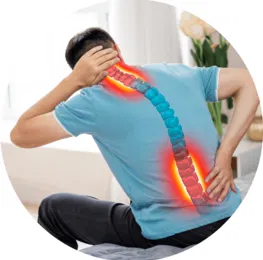
Treatments By body area Knee & joints Spine, neck & back Hip Shoulder By condition Autoimmune & inflammatory Neurological Diabetes Anti-aging & vitality Every treatment uses the same Passage 3 protocol. View all treatments How it works Your journey Testimonials Pricing About The center The company The stem cells Facilities People & place Dr. Diana Reyes The team About Medellín ENES Book your consultation Message us Treatments + By body area Knee & joints Spine, neck & back Hip Shoulder By condition Autoimmune & inflammatory Neurological Diabetes Anti-aging & vitality View all treatments → How it works Your journey Testimonials Pricing About + The company The stem cells Dr. Diana Reyes The team Facilities About Medellín ENES Book your consultation Message us on WhatsApp Regenerative science Exploring EBOO Therapy: Benefits and Applications in Modern Medicine Introduction Extracorporeal Blood Oxygenation and Ozonation (EBOO) therapy is an innovative medical procedure combining blood oxygenation with ozone… By Dr. Diana ReyesJanuary 2026 Introduction Extracorporeal Blood Oxygenation and Ozonation (EBOO) therapy is an innovative medical procedure combining blood oxygenation with ozone therapy to support healing and overall health. Availability EBOO therapy is available in Medellín at Stem Cells Colombia. What Is EBOO Therapy? The procedure involves: Key Benefits of EBOO Therapy Applications of EBOO Therapy Conclusion EBOO therapy offers a multifaceted complementary approach to chronic disease management and wellness enhancement when applied under medical supervision. References Talk to our medical team ← Keep reading Welcome to Medellín Your treatment can start this week. No months-long waitlist. Message us and a real person — Mía — will get back to you in minutes. Message us on WhatsApp Book your consultation A leading center in regenerative medicine, dedicated to pain relief and health you can feel. Explore Treatments How it works Testimonials Pricing Blog FAQs Book Company About Dr. Diana Reyes The team Facilities About Medellín Contact WhatsApp +57 310 881 9333 info@stemcellscolombia.com Incodol Sede Balsos, Carrera 25 #9A Sur-162, Consultorio #3, El Poblado, Medellín Mon–Fri 10am–6pm · Sat 10am–2pm (GMT-5) Medical disclaimer. Stem cell therapy does not guarantee results and is not marketed as a definitive cure. A comprehensive review of each patient’s medical history is required to assess eligibility. Individual results vary; these therapies are not approved by the FDA and are not a substitute for conventional medical care. Any personal information shared is used solely within our medical team. © 2026 Stemcells Colombia. All rights reserved. Terms Privacy SMS Policy Chat with us
Stem Cells in the Treatment of Knee Anterior Cruciate Ligament Injuries
Treatments By body area Knee & joints Spine, neck & back Hip Shoulder By condition Autoimmune & inflammatory Neurological Diabetes Anti-aging & vitality Every treatment uses the same Passage 3 protocol. View all treatments How it works Your journey Testimonials Pricing About The center The company The stem cells Facilities People & place Dr. Diana Reyes The team About Medellín ENES Book your consultation Message us Treatments + By body area Knee & joints Spine, neck & back Hip Shoulder By condition Autoimmune & inflammatory Neurological Diabetes Anti-aging & vitality View all treatments → How it works Your journey Testimonials Pricing About + The company The stem cells Dr. Diana Reyes The team Facilities About Medellín ENES Book your consultation Message us on WhatsApp Regenerative science Stem Cells in the Treatment of Knee Anterior Cruciate Ligament Injuries Introduction Anterior cruciate ligament (ACL) injuries are among the most common knee injuries, particularly in athletes engaged in sports requiring… By Dr. Diana ReyesJanuary 2026 Introduction Anterior cruciate ligament (ACL) injuries are among the most common knee injuries, particularly in athletes engaged in sports requiring sudden stops or changes in direction. Traditional treatments often involve surgical reconstruction with lengthy rehabilitation. Recent advances in regenerative medicine highlight the potential of umbilical cord stem cells (UCSCs) as an innovative treatment option. Understanding ACL Injuries The ACL plays a critical role in stabilizing the knee joint. Injuries may occur due to trauma or degeneration and often result in instability, pain, and reduced mobility (Smith et al., 2016). The Role of Stem Cells in Healing UCSCs possess the ability to differentiate into tenocytes and exhibit anti-inflammatory properties that support ligament healing (Cao et al., 2020). Recent Research Findings Advantages of UCSCs Conclusion Umbilical cord stem cells represent a promising regenerative therapy for ACL injuries, offering potential improvements in healing, function, and long-term knee stability. References Talk to our medical team ← Keep reading Welcome to Medellín Your treatment can start this week. No months-long waitlist. Message us and a real person — Mía — will get back to you in minutes. Message us on WhatsApp Book your consultation A leading center in regenerative medicine, dedicated to pain relief and health you can feel. Explore Treatments How it works Testimonials Pricing Blog FAQs Book Company About Dr. Diana Reyes The team Facilities About Medellín Contact WhatsApp +57 310 881 9333 info@stemcellscolombia.com Incodol Sede Balsos, Carrera 25 #9A Sur-162, Consultorio #3, El Poblado, Medellín Mon–Fri 10am–6pm · Sat 10am–2pm (GMT-5) Medical disclaimer. Stem cell therapy does not guarantee results and is not marketed as a definitive cure. A comprehensive review of each patient’s medical history is required to assess eligibility. Individual results vary; these therapies are not approved by the FDA and are not a substitute for conventional medical care. Any personal information shared is used solely within our medical team. © 2026 Stemcells Colombia. All rights reserved. Terms Privacy SMS Policy Chat with us
The Potential of Umbilical Cord Stem Cells in Meniscus Injury Treatment
Treatments By body area Knee & joints Spine, neck & back Hip Shoulder By condition Autoimmune & inflammatory Neurological Diabetes Anti-aging & vitality Every treatment uses the same Passage 3 protocol. View all treatments How it works Your journey Testimonials Pricing About The center The company The stem cells Facilities People & place Dr. Diana Reyes The team About Medellín ENES Book your consultation Message us Treatments + By body area Knee & joints Spine, neck & back Hip Shoulder By condition Autoimmune & inflammatory Neurological Diabetes Anti-aging & vitality View all treatments → How it works Your journey Testimonials Pricing About + The company The stem cells Dr. Diana Reyes The team Facilities About Medellín ENES Book your consultation Message us on WhatsApp Regenerative science The Potential of Umbilical Cord Stem Cells in Meniscus Injury Treatment Introduction Meniscus injuries are common among athletes and individuals engaged in physical activities, leading to pain and impaired joint function.… By Dr. Diana ReyesJanuary 2026 Introduction Meniscus injuries are common among athletes and individuals engaged in physical activities, leading to pain and impaired joint function. Traditional treatments often involve rest, physical therapy, or surgical intervention, but recent research has highlighted the promising role of umbilical cord stem cells (UCSCs) in treating such injuries. This article explores the scientific basis for this innovative approach, emphasizing the potential benefits that UCSCs can offer in meniscus repair. Understanding Meniscus Injuries The meniscus is a C-shaped cartilage in the knee, serving as a shock absorber and ensuring stability. Meniscal injuries can be complex, often resulting from acute trauma or degenerative changes. The repair of meniscal tears is crucial, as these injuries can lead to osteoarthritis if left untreated (Khan et al., 2014). Stem Cells: A Promising Solution Stem cells are unspecialized cells capable of differentiation into various cell types. Among the different types of stem cells, those derived from umbilical cord tissue have garnered attention due to their unique properties. UCSCs have the ability to differentiate into chondrocytes, which are the cells involved in the formation of cartilage (Riordan et al., 2015). This characteristic makes UCSCs a viable option for repairing damaged meniscal tissue. Scientific Evidence Supporting UCSCs for Meniscus Repair Recent studies provide compelling evidence for the effectiveness of UCSCs in cartilage repair. Conclusion The application of umbilical cord stem cells in the treatment of meniscus injuries presents a groundbreaking shift in orthopedic medicine. As research continues to evolve, UCSCs may offer a novel pathway for the repair and regeneration of meniscal tissue, ultimately improving patient outcomes and reducing long-term complications. References Talk to our medical team ← Keep reading Welcome to Medellín Your treatment can start this week. No months-long waitlist. Message us and a real person — Mía — will get back to you in minutes. Message us on WhatsApp Book your consultation A leading center in regenerative medicine, dedicated to pain relief and health you can feel. Explore Treatments How it works Testimonials Pricing Blog FAQs Book Company About Dr. Diana Reyes The team Facilities About Medellín Contact WhatsApp +57 310 881 9333 info@stemcellscolombia.com Incodol Sede Balsos, Carrera 25 #9A Sur-162, Consultorio #3, El Poblado, Medellín Mon–Fri 10am–6pm · Sat 10am–2pm (GMT-5) Medical disclaimer. Stem cell therapy does not guarantee results and is not marketed as a definitive cure. A comprehensive review of each patient’s medical history is required to assess eligibility. Individual results vary; these therapies are not approved by the FDA and are not a substitute for conventional medical care. Any personal information shared is used solely within our medical team. © 2026 Stemcells Colombia. All rights reserved. Terms Privacy SMS Policy Chat with us
Understanding the Cost of Stem Cell Treatments Around the World
Treatments By body area Knee & joints Spine, neck & back Hip Shoulder By condition Autoimmune & inflammatory Neurological Diabetes Anti-aging & vitality Every treatment uses the same Passage 3 protocol. View all treatments How it works Your journey Testimonials Pricing About The center The company The stem cells Facilities People & place Dr. Diana Reyes The team About Medellín ENES Book your consultation Message us Treatments + By body area Knee & joints Spine, neck & back Hip Shoulder By condition Autoimmune & inflammatory Neurological Diabetes Anti-aging & vitality View all treatments → How it works Your journey Testimonials Pricing About + The company The stem cells Dr. Diana Reyes The team Facilities About Medellín ENES Book your consultation Message us on WhatsApp Regenerative science Understanding the Cost of Stem Cell Treatments Around the World Stem cell therapy is a cutting-edge medical treatment that offers promising results for various conditions. However, one of the main considerations for… By Dr. Diana ReyesJanuary 2026 Stem cell therapy is a cutting-edge medical treatment that offers promising results for various conditions. However, one of the main considerations for patients worldwide is the cost. Prices for stem cell treatments can vary significantly depending on the country, type of treatment, and clinic. Global Perspective on Stem Cell Costs United States: In the U.S., the cost of stem cell therapy can range from $5,000 to $50,000 or more, depending on the complexity and type of procedure. Factors influencing the price include the clinic’s location and the specific condition being treated. Europe: European countries offer a range of prices. In Germany or Switzerland, costs might be higher due to advanced healthcare systems, often reaching up to $30,000. Asia: Countries like Thailand and India may offer more affordable options, with prices typically between $3,000 and $10,000. Latin America: Countries such as Mexico and Colombia are emerging as popular destinations for medical tourism, offering competitive pricing and quality care. Stem Cells Colombia: Quality and Affordability At Stem Cells Colombia, we pride ourselves on providing top-quality treatments at very competitive prices. Our offerings not only include all the medical protocol but also hotel, transfers and a bilingual patient care coordinator for the patients: These prices are significantly more affordable compared to many global counterparts, without compromising on quality or safety. Why Choose Stem Cells Colombia? 1. Top Quality Treatments: Our procedures use high-quality stem cells and exosomes, ensuring effective results. 2. Comprehensive Packages: Our packages that include hotel and transfer, and a bilingual patient care coordinator to assist during treatments. 3. Advanced Healthcare: We use modern facilities and advanced techniques to ensure the best possible outcomes. 4. Follow Up: We provide multiple consultations with our specialists (online or in person), ensuring you’re never alone during the process and allowing us to closely monitor your recovery. Conclusion When considering stem cell therapy, it’s essential to assess various factors that contribute to successful outcomes. The cost and quality of care are important, but so is the quantity of stem cells and exosomes included in the treatment. Lower passage numbers and fewer replications typically yield stronger stem cells, enhancing effectiveness. In addition, ongoing follow-up is crucial; multiple consultations with specialists before and after treatment ensure comprehensive support and monitoring of your progress. Precision in application is vital, so utilizing guided techniques like fluoroscopy and ultrasound can significantly improve safety and accuracy. Moreover, incorporating adjunct therapies such as intravenous amino acids and hyperbaric therapy can enhance the overall results of stem cell treatments. Amino acids provide essential nutrients necessary for cell recovery and regeneration, while hyperbaric therapy promotes circulation and oxygenation, further supporting healing processes. Ultimately, having access to a comprehensive clinical environment with a full team of healthcare professionals and advanced monitoring equipment is vital for maximizing safety and effectiveness. Prioritizing these aspects can lead to significantly better health outcomes. Talk to our medical team ← Keep reading Welcome to Medellín Your treatment can start this week. No months-long waitlist. Message us and a real person — Mía — will get back to you in minutes. Message us on WhatsApp Book your consultation A leading center in regenerative medicine, dedicated to pain relief and health you can feel. Explore Treatments How it works Testimonials Pricing Blog FAQs Book Company About Dr. Diana Reyes The team Facilities About Medellín Contact WhatsApp +57 310 881 9333 info@stemcellscolombia.com Incodol Sede Balsos, Carrera 25 #9A Sur-162, Consultorio #3, El Poblado, Medellín Mon–Fri 10am–6pm · Sat 10am–2pm (GMT-5) Medical disclaimer. Stem cell therapy does not guarantee results and is not marketed as a definitive cure. A comprehensive review of each patient’s medical history is required to assess eligibility. Individual results vary; these therapies are not approved by the FDA and are not a substitute for conventional medical care. Any personal information shared is used solely within our medical team. © 2026 Stemcells Colombia. All rights reserved. Terms Privacy SMS Policy Chat with us
Strengthening Health Through Partnerships: The Power of Alliances at Stem Cells Colombia
Treatments By body area Knee & joints Spine, neck & back Hip Shoulder By condition Autoimmune & inflammatory Neurological Diabetes Anti-aging & vitality Every treatment uses the same Passage 3 protocol. View all treatments How it works Your journey Testimonials Pricing About The center The company The stem cells Facilities People & place Dr. Diana Reyes The team About Medellín ENES Book your consultation Message us Treatments + By body area Knee & joints Spine, neck & back Hip Shoulder By condition Autoimmune & inflammatory Neurological Diabetes Anti-aging & vitality View all treatments → How it works Your journey Testimonials Pricing About + The company The stem cells Dr. Diana Reyes The team Facilities About Medellín ENES Book your consultation Message us on WhatsApp Regenerative science Strengthening Health Through Partnerships: The Power of Alliances at Stem Cells Colombia Welcome to Stem Cells Colombia, where we are committed to providing comprehensive health and wellness solutions. A key aspect of our philosophy is… By Dr. Diana ReyesJanuary 2026 Welcome to Stem Cells Colombia, where we are committed to providing comprehensive health and wellness solutions. A key aspect of our philosophy is building strong alliances with a network of specialized medical professionals, enabling us to offer a wide range of treatments that complement our regenerative therapies. All in our beautiful city of Medellín. At Stem Cells Colombia, we believe that holistic healing encompasses various aspects of health. That’s why we collaborate with experts across different fields, ensuring our patients have access to the best care available. Our extensive network includes: Dental Professionals Our partnerships with skilled dentists allow us to provide treatments that enhance both oral health and overall confidence. From veneers and routine cleanings to intricate procedures like root canals and smile design, our dental allies help ensure that your smile complements your health journey. Plastic Surgeons To address aesthetic concerns, we work closely with experienced plastic surgeons who specialize in body and facial enhancements. Whether you are considering a tummy tuck, facelift, or other surgical procedures, our network enables you to explore the latest options with trusted professionals. Hair Implant Experts At Stem Cells Colombia, we collaborate with specialists in hair restoration who focus on advanced hair transplant techniques. These professionals utilize evidence-based methods to address hair loss, providing thorough assessments to determine the most effective treatment plans for each individual. Male Health Specialists Understanding the unique health concerns of men, we connect patients with specialists in male sexual health. Our allies include experts offering innovative solutions such as the Himplant, designed to enhance male sexual performance and address related issues. Yes, Himplant in Medellín Colombia. It is a life changer. Why Choose Stem Cells Colombia? By integrating a diverse range of medical specialties under one roof, Stem Cells Colombia simplifies your healthcare experience. Our collaborative approach means that you can receive comprehensive care tailored to your specific needs, all while benefiting from the expertise of highly qualified professionals. We are dedicated to maintaining the highest standards in patient care, and our partnerships with these specialists underscore our commitment to excellence. Each member of our network is carefully vetted to ensure they share our values and dedication to patient well-being. The Path to Health and Wellness At Stem Cells Colombia in Medellín, we understand that health is not just about addressing one aspect of well-being; it’s about treating the whole person. Our collaborations with other medical professionals help create a supportive environment where you can explore various treatment options and achieve your health goals in one visit, here in Medellín Colombia. Affordable and top quality. Talk to our medical team ← Keep reading Welcome to Medellín Your treatment can start this week. No months-long waitlist. Message us and a real person — Mía — will get back to you in minutes. Message us on WhatsApp Book your consultation A leading center in regenerative medicine, dedicated to pain relief and health you can feel. Explore Treatments How it works Testimonials Pricing Blog FAQs Book Company About Dr. Diana Reyes The team Facilities About Medellín Contact WhatsApp +57 310 881 9333 info@stemcellscolombia.com Incodol Sede Balsos, Carrera 25 #9A Sur-162, Consultorio #3, El Poblado, Medellín Mon–Fri 10am–6pm · Sat 10am–2pm (GMT-5) Medical disclaimer. Stem cell therapy does not guarantee results and is not marketed as a definitive cure. A comprehensive review of each patient’s medical history is required to assess eligibility. Individual results vary; these therapies are not approved by the FDA and are not a substitute for conventional medical care. Any personal information shared is used solely within our medical team. © 2026 Stemcells Colombia. All rights reserved. Terms Privacy SMS Policy Chat with us