
Joints
Inside the joint, in the operating room, guided by ultrasound, under local anesthesia.
Knee, hip, shoulder →The stem cells
The stem cells used here are Wharton’s jelly mesenchymal stem cells at Passage 3–4: grown just long enough for a full treatment dose, while many clinics keep growing theirs to Passage 5 and beyond. Here is why that matters, and how every vial is tested and certified before it reaches you.
The passage difference
To have enough cells for a treatment, every lab grows them. Each round of growth is a passage, and each one asks the cells to divide again. Think of a photocopy of a photocopy: the first copies look almost perfect, and every new copy loses a little detail.
Cells grown for too long get tired. Researchers who followed mesenchymal cells through culture saw them change steadily from the very first passages, and the signals they release to calm inflammation and support repair shift as they age.
That is why the doctors here stop at Passage 3–4: enough cells for a full treatment dose, and not a round more. Many clinics keep growing theirs to Passage 5 and beyond to get more doses from every cord.
Cell passage: how many rounds the cells spent growing in the lab
Zoom in
Slide to zoom, from what you can see to what the cells do.
Where it starts
After a healthy birth, the umbilical cord is usually discarded. Inside it is a soft tissue, Wharton’s jelly, rich in mesenchymal stem cells.
The source tissue
Wharton’s jelly is the soft tissue inside the cord. The specialists work only with mesenchymal stem cells from Wharton’s jelly. Bone marrow and fat are never used as a source.
The cells
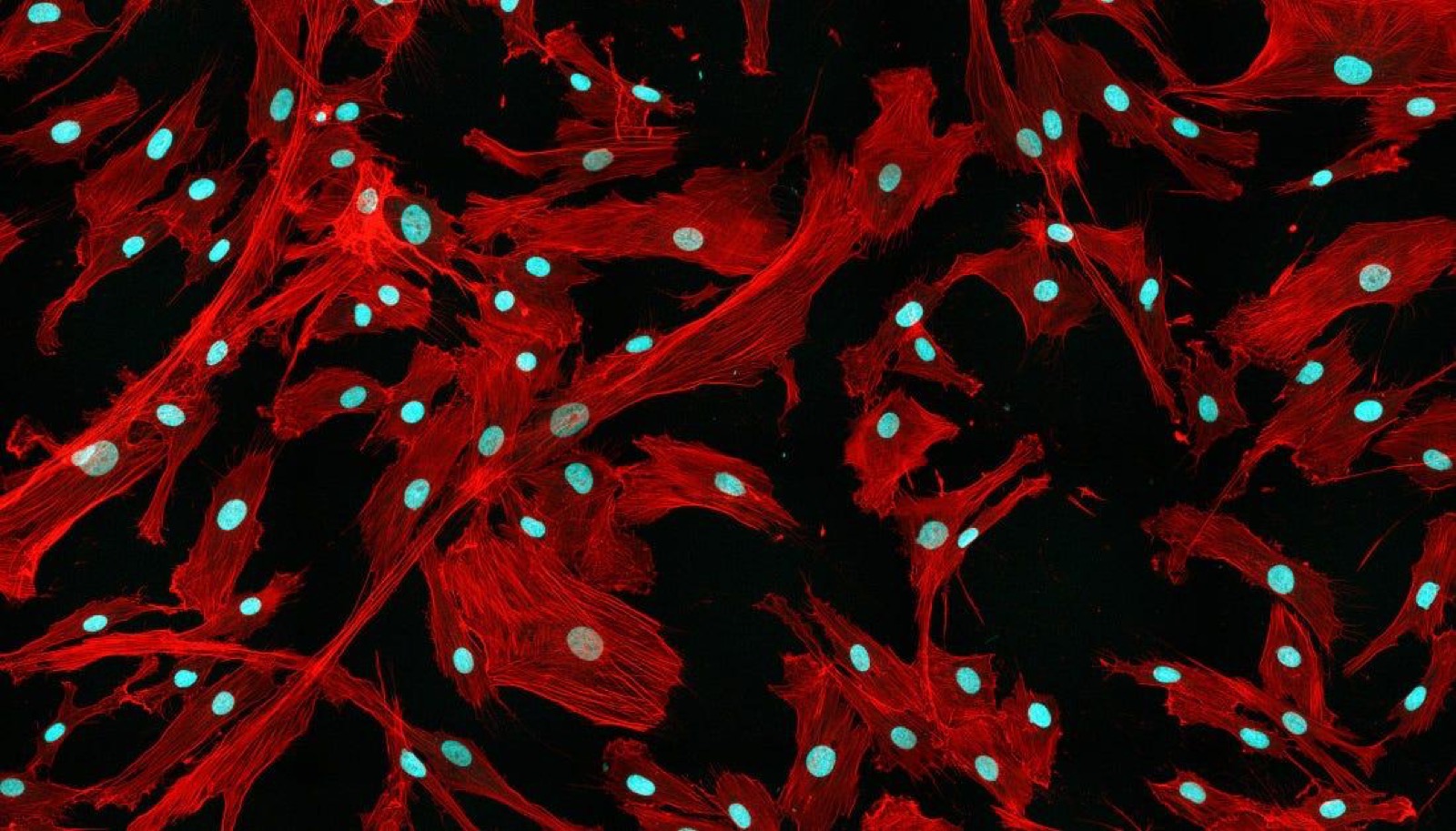
Mesenchymal stem cells (MSCs) are the cells used in regenerative medicine around the world. The source is the same across every protocol: Wharton’s jelly cells at Passage 3–4, an early passage. A passage is each time the cell culture is transferred to a new vessel with fresh medium (subculture); Passage 3–4 means the cells have been subcultured three or four times. What changes is how and where they are applied.
How they work
MSCs mainly work by releasing signals, such as growth factors and small vesicles, that act on the tissue around them. Those signals may help calm inflammation and support the body’s own repair.
Before a cell reaches you
The cells come from umbilical cords donated after healthy births. This is what has to be true before any of them is used.
Chosen through an exhaustive selection process before a cord is ever accepted.
She is screened for viruses, bacteria and infections, and her medical history and her family’s are reviewed.
Once the cord is collected, the laboratory runs a further set of tests on it.
Every vial comes with its quality certificate, per patient, plus a checklist and release document that lists every test done and its result.
How they are applied
How and where they are applied depends on your condition and on the specialist who designs your protocol.
Inside the joint, in the operating room, guided by ultrasound, under local anesthesia.
Knee, hip, shoulder →To the disc or the structures around it, guided by fluoroscopy, under sedation.
Back and neck →Through a vein, by the nursing team, over three days, after premedication and a cancer-marker screen. In these protocols exosomes, small vesicles that carry signals between cells, can be added to the cells.
Systemic conditions →Applied locally by the aesthetic doctor or the urologist, with your own PRP.
Anti-aging →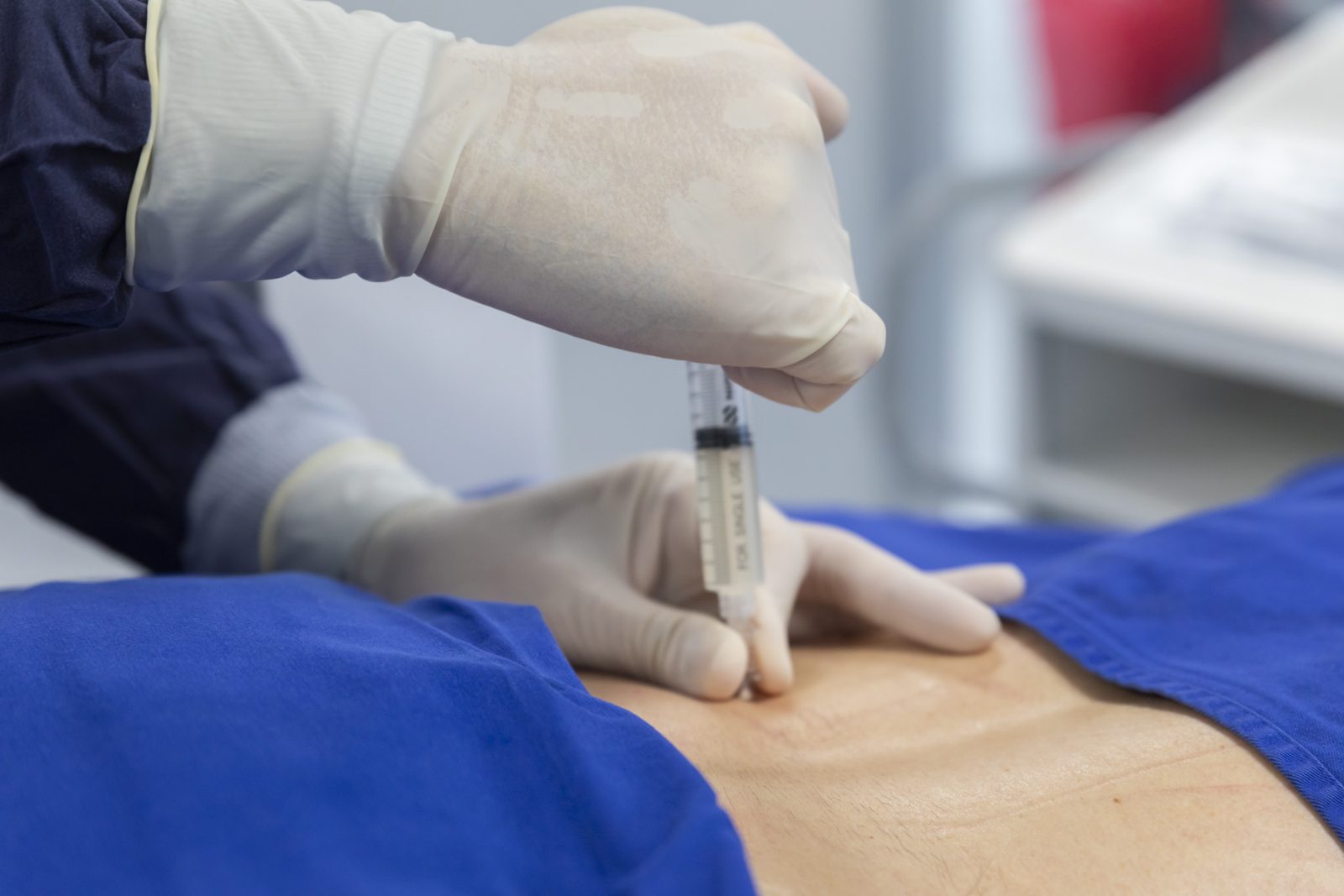
Your dose
Your specialist explains your dose and your protocol in your online consultation, before you travel. For intravenous protocols, the dose is designed around your age, your weight, your height and your medical condition.
Reading about other cell types? Here is the clinic’s position on MUSE cells.
Still have a question?
Technical questions are welcome. Send yours on WhatsApp and it reaches the specialist for your case. Your case review is free, with no commitment.