
"Rehab took me this far"
Progress in therapy has slowed down
You worked hard in rehabilitation and improved, but lately the gains are small. You want to know whether anything may support the next step.
Stroke · Medellín, Colombia
After a stroke, the tissue around the damaged area can stay inflamed and under-functioning for a long time. Mesenchymal stem cells, given slowly through a vein, are studied for how they may calm that inflammation and support recovery, alongside rehabilitation. A neurologist reviews every case first, so your plan is designed for you.
Who it helps
"Rehab took me this far"
You worked hard in rehabilitation and improved, but lately the gains are small. You want to know whether anything may support the next step.
"My arm won't follow"
A hand that doesn’t close well, a leg that drags. You want to know what may help it improve.
"It was years ago"
The stroke was more than six months ago and you were told the recovery window is closed. Studies have included exactly this group, so your case is worth a review.
"I'm asking for my dad"
Many cases are handled by a son, daughter or partner. Your coordinator speaks with whoever is caring for the patient, and the trip is planned around mobility.
"I want a doctor’s opinion first"
You have read big promises online. Here the first step is a neurologist, who reviews your case and designs your plan with you.
What the cells do
Mesenchymal stem cells work mostly by the signals they release, and that is what researchers are studying after stroke.
After a stroke, the immune cells of the brain can stay switched on for months, and that inflammation keeps weakening the surrounding tissue. The cells release signals that may calm it. For you, the aim is a healthier environment for the brain that is still alive.
The cells release growth factors (natural proteins that help nerve cells survive). They may help protect the neurons around the damaged core that are struggling but still working.
The brain can build new connections to take over lost tasks; this is called neuroplasticity. In some studies, mesenchymal stem cells were linked to better motor recovery and more activity in the motor areas of the brain. Rehabilitation is what trains those new connections.
The cells are studied for how they may encourage new small blood vessels in the injured area. Better blood supply could help the tissue that is recovering.
The aim is to support the brain that is still working, together with rehabilitation.
Step one is a neurologist
After a stroke, the most important step is a specialist who knows your case. That comes first.
Your imaging, the date of the stroke and your current medication, on WhatsApp.
On WhatsAppOnline. The neurologist reviews your case and your blood work and designs your plan.
Before you bookThree days in Medellín, intravenous, with cancer markers on day one and your coordinator by your side.
From $4,000What the evidence says
Mesenchymal stem cells after an ischemic stroke (a stroke caused by a blocked artery) have been tested in several human trials and pooled in meta-analyses. The signals are encouraging, and the research keeps growing.
Across trials, people who received mesenchymal stem cells had a modest improvement in neurological deficits and daily activities compared with those who did not.
Systematic review and meta-analysis of 30 studies (15 randomized) with 1,217 patients with ischemic stroke.
Efficacy and safety of mesenchymal stem cell therapies for ischemic stroke: a systematic review and meta-analysis. · Stem Cells Translational Medicine, 2024 ↗Umbilical cord mesenchymal stem cells, given by vein together with rehabilitation, were linked to better neurological scores, independence and quality of life at 6 and 12 months.
Phase II randomized trial in 32 adults aged 40 to 75 with lasting problems after an ischemic stroke, comparing the vein and the spinal fluid, plus a matched rehabilitation-only group. No severe side effects related to the cells.
Intrathecal versus intravenous umbilical cord mesenchymal stem cells for ischemic stroke sequelae. · Stem Cells Translational Medicine, 2025 ↗In people whose stroke was more than six months earlier, donor mesenchymal stem cells by vein were safe, and daily-living scores improved over the following year.
Phase I/II study, 36 patients with chronic ischemic stroke and substantial disability, a single intravenous dose of donor cells.
Phase I/II Study of Safety and Preliminary Efficacy of Intravenous Allogeneic Mesenchymal Stem Cells in Chronic Stroke. · Stroke, 2019 ↗In short: Trials and pooled analyses show improvements in neurological function and daily activities, including a randomized trial with umbilical cord cells, and even in strokes more than six months old. A neurologist reviews your case, and the cells work together with rehabilitation, the engine of recovery.
Your treatment & price
The infusion runs slowly, over three hours or more, with a physician present. Afterwards you rest with your coordinator checking on you; if you add the Marriott Hotel, it is one elevator away. Results are usually expected between 3 and 6 months.
Two visits are usually recommended, 6 to 8 weeks apart, repeating the protocol; returning patients receive a returning-patient discount on the second visit.
The trip works like every treatment: Evaluation by the specialist, online consultation, and your days in Medellín. See your journey.
After a stroke · from $4,000
USD · final price confirmed after your medical consultation
Flights and meals not included.
Your medical team
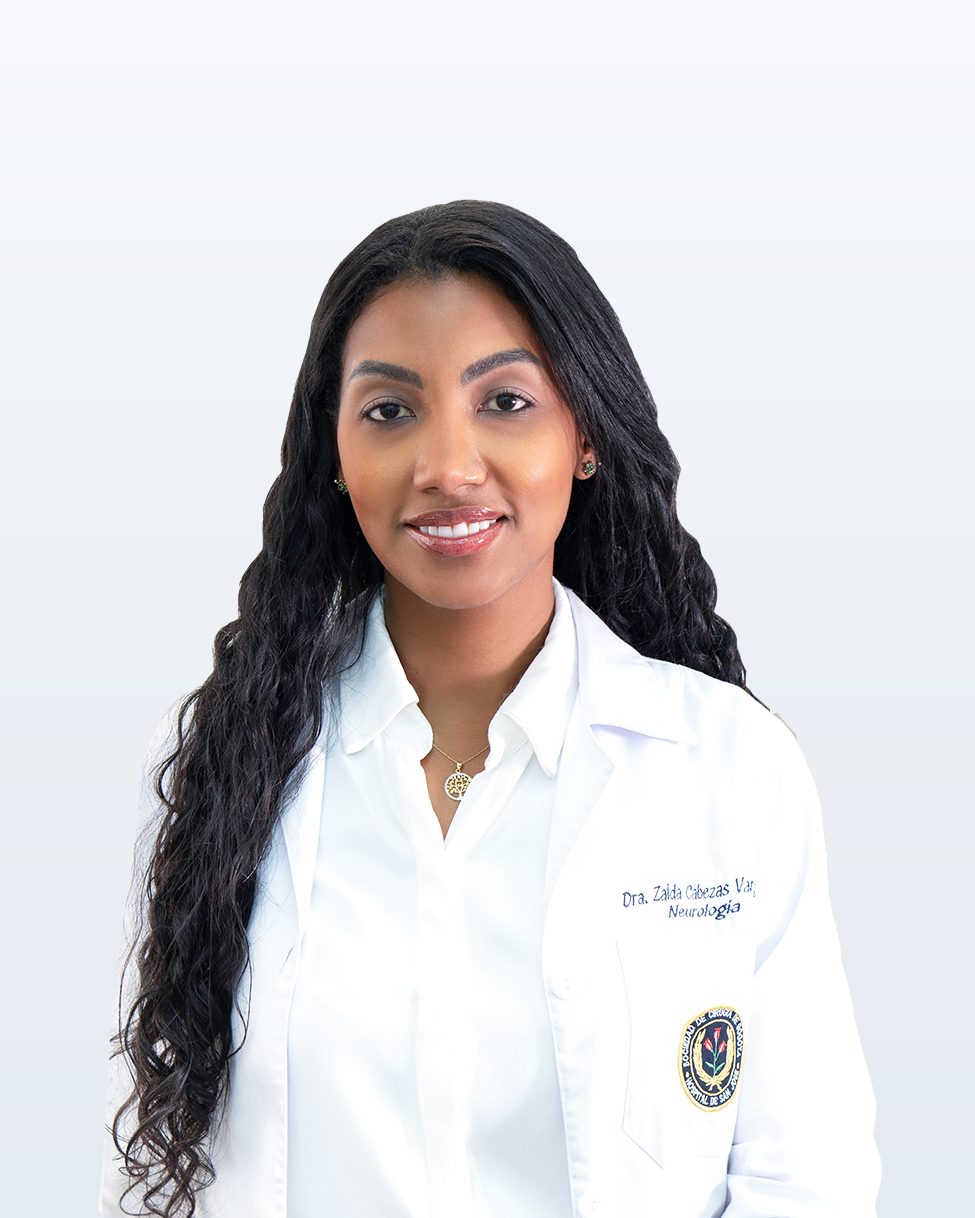
Dr. Zaida Cabezas, neurologist, reviews every case first, with your imaging, the date of the stroke, your current medication and your blood work, and decides whether you are a candidate. The neurologist leads your case; in Medellín the medical team carries out the protocol, and if the intrathecal route is chosen, Dr. Diana Reyes, anesthesiologist and pain specialist, performs the application. The neurologist follows your recovery online.
Questions
It depends on the type of stroke, when it happened, your imaging and your general health. Send your reports; a neurologist reviews them in an online consultation, so your plan is designed for you before you book anything.
They release signals that may calm inflammation around the damaged area, support the neurons that are still working and help the brain build new connections. The aim is to support recovery, together with rehabilitation; the neurologist explains what you can expect.
The neurologist reviews each case. Studies have included people from a few weeks to several years after their stroke. Share the date of the stroke and your imaging so the review is precise.
Changes usually build between 3 and 6 months, and every person responds at their own pace. Keep up your rehabilitation: it turns that support into real progress.
Two visits are usually recommended, 6 to 8 weeks apart, repeating the protocol; returning patients receive a returning-patient discount on the second visit. The neurologist confirms it for your case.
Your imaging (CT or MRI), the date of the stroke, your current medication and recent blood work: CBC, vitamin B12, folate, HIV, hepatitis B and C and syphilis serology, TSH and free T4, fasting glucose and HbA1c, ferritin, creatinine, liver enzymes and vitamin D. Every protocol also includes cancer markers.
No. Blood thinners, blood pressure medication and rehabilitation stay exactly as your doctors prescribed. This works alongside them, never instead.
Every intravenous protocol starts with cancer markers, on day one, for your safety: the protocol is designed for people without active cancer.
Stem cell therapy is not approved by the FDA, but in Colombia it is legal. Every protocol is done by specialist physicians, after a neurologist has reviewed your case.
The protocol after a stroke starts from $4,000 USD: the stem cells IV, premedication, cancer markers and a consultation with the neurologist. Exosomes, a blood detox IV, the Marriott Hotel in the same building and airport transfers can be added to your plan, and your coordinator sends that price in writing. The neurologist consultation comes first, and your exact price is confirmed after it.
Your next step
Send the imaging and the date of the stroke. The neurologist reviews your case and designs your plan before you book anything.