
Stem Cells in the Treatment of Knee Anterior Cruciate Ligament Injuries
Introduction Anterior cruciate ligament (ACL) injuries are among the most common knee injuries, particularly in athletes engaged in sports requiring sudden stops or changes in direction. Traditional treatments often involve surgical reconstruction with lengthy rehabilitation. Recent advances in regenerative medicine highlight the potential of umbilical cord stem cells (UCSCs) as an innovative treatment option. Understanding ACL Injuries The ACL plays a critical role in stabilizing the knee joint. Injuries may occur due to trauma or degeneration and often result in instability, pain, and reduced mobility (Smith et al., 2016). The Role of Stem Cells in Healing UCSCs possess the ability to differentiate into tenocytes and exhibit anti-inflammatory properties that support ligament healing (Cao et al., 2020). Recent Research Findings Advantages of UCSCs Conclusion Umbilical cord stem cells represent a promising regenerative therapy for ACL injuries, offering potential improvements in healing, function, and long-term knee stability. References
The Potential of Umbilical Cord Stem Cells in Meniscus Injury Treatment
Introduction Meniscus injuries are common among athletes and individuals engaged in physical activities, leading to pain and impaired joint function. Traditional treatments often involve rest, physical therapy, or surgical intervention, but recent research has highlighted the promising role of umbilical cord stem cells (UCSCs) in treating such injuries. This article explores the scientific basis for this innovative approach, emphasizing the potential benefits that UCSCs can offer in meniscus repair. Understanding Meniscus Injuries The meniscus is a C-shaped cartilage in the knee, serving as a shock absorber and ensuring stability. Meniscal injuries can be complex, often resulting from acute trauma or degenerative changes. The repair of meniscal tears is crucial, as these injuries can lead to osteoarthritis if left untreated (Khan et al., 2014). Stem Cells: A Promising Solution Stem cells are unspecialized cells capable of differentiation into various cell types. Among the different types of stem cells, those derived from umbilical cord tissue have garnered attention due to their unique properties. UCSCs have the ability to differentiate into chondrocytes, which are the cells involved in the formation of cartilage (Riordan et al., 2015). This characteristic makes UCSCs a viable option for repairing damaged meniscal tissue. Scientific Evidence Supporting UCSCs for Meniscus Repair Recent studies provide compelling evidence for the effectiveness of UCSCs in cartilage repair. Conclusion The application of umbilical cord stem cells in the treatment of meniscus injuries presents a groundbreaking shift in orthopedic medicine. As research continues to evolve, UCSCs may offer a novel pathway for the repair and regeneration of meniscal tissue, ultimately improving patient outcomes and reducing long-term complications. References
Exploring the Potential of Mesenchymal Stem Cells from the Umbilical Cord in Treating Meniscus Injuries
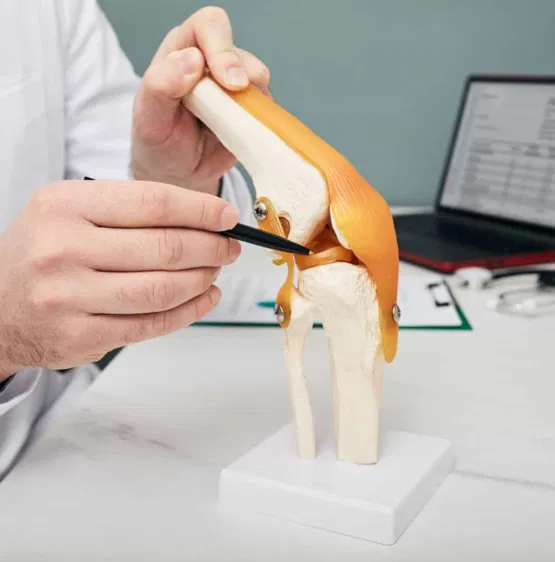
Meniscus injuries are common, particularly among athletes, and can significantly impair mobility and performance. Traditional treatments often involve physical therapy, surgical interventions, or pain management. However, recent advancements in regenerative medicine have opened new avenues for treatment. In particular, using mesenchymal stem cells (MSCs) derived from the umbilical cord has shown promise. Understanding Mesenchymal Stem Cells Mesenchymal stem cells (MSCs) are multipotent stromal cells capable of differentiating into various cell types, including cartilage, bone, and adipose tissues. They are renowned for their regenerative properties and ability to modulate the immune response. This makes them a promising candidate for treating musculoskeletal conditions similar to meniscus injuries. Advantages of Umbilical Cord MSCs Umbilical cord-derived MSCs offer several advantages over those harvested from other sources, such as bone marrow or adipose tissue. They are abundantly available and exhibit robust proliferative capacity. Moreover, they possess a lower risk of immunogenic reactions due to their primitive nature. This makes them an attractive option for allogeneic therapies, where the cells come from a donor rather than the patient. Application in Meniscus Injuries Meniscus injuries typically involve damage to the fibrocartilaginous tissues in the knee, leading to pain, swelling, and decreased range of motion. Repair and regeneration of this tissue are essential for restoring knee function. Studies have shown that MSCs can aid in the regeneration of meniscus tissue by differentiating into chondrocytes. These are the cells responsible for cartilage formation and help in promoting tissue repair. In a study published in the journal Stem Cells Translational Medicine, researchers demonstrated the ability of MSCs to enhance meniscus healing in animal models. They improved tissue integration and promoted cellular proliferation within the damaged area (Ji et al., 2020). Successful Athlete Treatments Several professional athletes have reportedly benefited from stem cell therapies for meniscus injuries. However, these cases are often part of experimental or early-phase treatment protocols. For example: These examples illustrate the potential that stem cell therapies hold for athletes. They allow them to recover more rapidly and return to their sports with less downtime. References: By harnessing the regenerative capabilities of MSCs, particularly those derived from umbilical cords, we stand on the cusp of transformative treatments for athletes and the broader population alike. These therapies not only promise refined recovery processes but also point towards a paradigm shift. This influences how sports-related injuries are managed in the future.