
10 Essential Questions to Ask Before Choosing an Umbilical Cord Stem Cell Treatment Center.
Treatments By body area Knee & joints Spine, neck & back Hip Shoulder By condition Autoimmune & inflammatory Neurological Diabetes Anti-aging & vitality Every treatment uses the same Passage 3 protocol. View all treatments How it works Your journey Testimonials Pricing About The center The company The stem cells Facilities People & place Dr. Diana Reyes The team About Medellín ENES Book your consultation Message us Treatments + By body area Knee & joints Spine, neck & back Hip Shoulder By condition Autoimmune & inflammatory Neurological Diabetes Anti-aging & vitality View all treatments → How it works Your journey Testimonials Pricing About + The company The stem cells Dr. Diana Reyes The team Facilities About Medellín ENES Book your consultation Message us on WhatsApp Blog · Before you book Before you book 10 questions to ask any stem cell clinic before you book Where the cells come from, who applies them, how they reach the right spot, and what the price really covers. Ten questions, and the answers to expect. 6 min readReviewed with the medical team of Stem Cells Colombia The 30-second version A good clinic answers these ten questions clearly, in writing, before you pay anything. The big four: where the cells come from, who treats you, where, and how they see the target. Compare the full experience, not the headline price. Promises of a sure result are a red flag. Picture yourself at the kitchen table with three browser tabs open, each one showing a smiling clinic and a price. They all say “stem cells.” They all look calm and clean. How are you supposed to tell them apart? You ask. The International Society for Stem Cell Research, the main scientific body in this field, tells patients to find out where the cells come from, how they are processed and delivered, who is treating them, and what the plan is afterwards. That advice fits into ten plain questions. Take them to every clinic you are considering, including Stem Cells Colombia. 1. Where do the cells come from? “Stem cells” is a family name, not a first name. Mesenchymal cells can come from bone marrow, from fat, or from the umbilical cord. A clinic should tell you which one without hesitating. Stem Cells Colombia uses only mesenchymal cells from Wharton’s jelly, the soft tissue inside a donated umbilical cord. You don’t need a harvesting procedure on your own body first, and the starting material is young. Every cord starts with a Colombian donor chosen through an exhaustive selection process. She and her family are screened to confirm that she is free of viruses, bacteria, infections and disease, and more tests are done after the cord is collected. Every batch the clinic receives comes with, besides the quality certificate, a checklist and release document that lists which tests were done and their results. In plain wordsWharton’s jelly the gel-like cushion inside the umbilical cord that protects its blood vessels, and a rich source of mesenchymal cells 2. Can they tell you exactly what you are receiving? Ask about the tissue source, how the cells were processed, how many times they were grown in the lab, and whether there is quality documentation for the product. A serious clinic has these answers on paper. That last one matters. Every patient receives a quality certificate for each vial used in their treatment, so you are not taking “stem cells” on faith. In plain wordsPassage each time the cell culture is transferred to a new vessel with fresh medium (subculture); Passage 3–4 means the cells have been subcultured three or four times. Ask how the clinic handles it and why. 3. Who is actually treating you? Ask who reviews your case, who performs the procedure, and what their specialty is. A cell application is a medical procedure, not a spa add-on. The medical team is led by Dr. Diana Reyes, an anesthesiologist and pain specialist, working with an interventional pain physician, a rheumatologist, a functional medicine doctor, an aesthetic physician and a urologist. Your case goes to the one who fits it. 4. Where is the procedure done? A doctor’s office with a nice plant is not an operating room. Ask whether the room is sterile, whether sedation or anesthesia is available, and what monitoring and emergency equipment are on hand. The doctors treat in a fully equipped operating room with aseptic technique, a heart monitor, a pulse oximeter, a defibrillator and an emergency cart. You hope never to need the last two. You still want them in the room. 5. How do they know the cells reach the right spot? This may be the most important question of all. If the target is a knee, a disc or a facet joint, ask how the doctor sees it during the procedure. The targeted procedures at Stem Cells Colombia use ultrasound or fluoroscopy, a live X-ray view, depending on the anatomy. The lead doctors, Dr. Diana Reyes and Dr. Esteban Toro, have performed more than 8,000 procedures. 8,000+ procedures performed by the lead doctors, Dr. Diana Reyes and Dr. Esteban Toro 6. Do they explain what to expect, step by step? Research in regenerative medicine is growing, and each condition has its own studies. A good clinic shows you what those studies found for your condition, and never sells you a guarantee. You should hear the possible benefits, the usual timeline, the alternatives and the follow-up plan before you say yes. MythThe clinic with the biggest promise is the most confident. Reality: Serious clinics talk about what may improve, when you could notice it, and how they will measure it with you. 7. What exactly is included in the price? A low number can grow fast once you add the hotel, taxis, consultations, anesthesia and imaging. Ask for the full list in writing. At Stem Cells Colombia, the price comes in writing. The starting price is the treatment itself: the cells, the application and a consultation with the doctor. The Marriott Hotel in the same
Hopeful Advances — Umbilical‑Cord Mesenchymal Stem Cells for Type 2 Diabetes

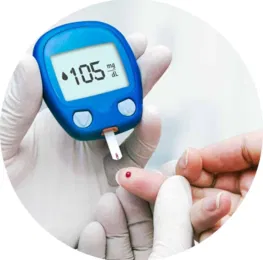
Treatments By body area Knee & joints Spine, neck & back Hip Shoulder By condition Autoimmune & inflammatory Neurological Diabetes Anti-aging & vitality Every treatment uses the same Passage 3 protocol. View all treatments How it works Your journey Testimonials Pricing About The center The company The stem cells Facilities People & place Dr. Diana Reyes The team About Medellín ENES Book your consultation Message us Treatments + By body area Knee & joints Spine, neck & back Hip Shoulder By condition Autoimmune & inflammatory Neurological Diabetes Anti-aging & vitality View all treatments → How it works Your journey Testimonials Pricing About + The company The stem cells Dr. Diana Reyes The team Facilities About Medellín ENES Book your consultation Message us on WhatsApp Blog · Diabetes research Diabetes research Type 2 diabetes and umbilical cord stem cells: the real evidence What randomized trials of umbilical cord stem cells in type 2 diabetes found for HbA1c and insulin, and what it means for you. 6 min readReviewed with the medical team of Stem Cells Colombia The 30-second version In a placebo-controlled trial, cord stem cells lowered HbA1c and insulin needs more than placebo. The cells seem to work on the inflammation that makes tissue deaf to insulin, not on new beta cells. Every body responds at its own pace, and your own doctor keeps leading your diabetes care. You know the routine by heart. The finger prick, the pill organizer, the appointment where the HbA1c comes back a little higher and the dose goes up again. You are doing the work, and the numbers still drift. Umbilical cord mesenchymal stem cells are one of the most studied new ideas in type 2 diabetes. There is real, published human data now, including trials with a placebo group. Here is what those studies found, in plain words. Why does the sugar keep climbing? In type 2 diabetes the pancreas usually still makes insulin. The problem is that muscles, liver and fat stop responding to it well. That is insulin resistance, and a low, constant inflammation keeps feeding it. Imagine insulin as a key that still fits the lock, but the lock is gummed up. The pancreas answers by making more keys, and over years it gets tired. Medication helps you push the door open; it does not clean the lock. That is why researchers got interested in mesenchymal stem cells. They are known for their immunomodulatory effect: they release signals that may turn down chronic inflammation. The idea is not to replace your pancreas, but to take some weight off it. In plain wordsImmunomodulatory able to calm an overactive immune response without switching it off What did the trials actually find? The strongest single study is a double-blind, placebo-controlled phase II trial published in 2022. Ninety-one adults with type 2 diabetes received three intravenous infusions of umbilical cord MSCs or a placebo, four weeks apart, and were followed for 48 weeks. HbA1c, your three-month blood sugar average, fell by 1.31 points with the cells, versus 0.63 with placebo Insulin doses dropped more in the cell group About one in five treated patients reached the combined goal of HbA1c under 7% while halving their insulin, versus fewer than one in twenty on placebo No major treatment-related adverse events were reported A second trial from the same team, using continuous glucose monitors, found more time in range in the cell group at 9 and 48 weeks: steadier days, fewer highs. 17 systematic reviews pooled in a 2025 umbrella review of stem cells for diabetes How big is the bigger picture? A 2025 umbrella review pooled 17 systematic reviews and meta-analyses covering more than 8,000 patients. Across them, MSC therapy lowered HbA1c by up to about 1.45 points and reduced insulin needs, with the clearest effect in type 2. Side effects were mostly mild. The same review found that Wharton’s jelly MSCs, from the tissue of the umbilical cord, performed better than MSCs from umbilical cord blood. Same cord, different tissue, different results. MythStem cells grow you a new pancreas. Reality: The aim is to calm inflammation and help your body respond to insulin. In these studies, the measured gains came with less inflammation and better insulin response. How should you read these results? These trials are encouraging, and research is growing. Every body responds at its own pace, which is why your markers are measured before and after. Diet, movement and your usual medication still matter. The cells are studied as a partner to good diabetes care. What this means for you Bring your last HbA1c, glucose and insulin numbers; they are the starting line for your plan. Expect gradual change measured in lab results, and keep your doctor at home in charge of your medication. Send your numbers on WhatsApp for a free evaluation, with your plan and price in writing and no commitment. Where the evidence stands Lab & animal studiesFirst human studiesSeveral clinical trialsStandard of care Several randomized trials and a large umbrella review suggest that mesenchymal stem cells may lower HbA1c and insulin needs in type 2 diabetes, with a reassuring safety record. Research is growing, and longer studies keep building on these results. Efficacy and safety of umbilical cord-derived mesenchymal stem cells in Chinese adults with type 2 diabetes: a single-center, double-blinded, randomized, placebo-controlled phase II trial · Stem Cell Research & Therapy, 2022 Efficacy of Umbilical Cord-Derived Mesenchymal Stem Cells in the Treatment of Type 2 Diabetes Assessed by Retrospective Continuous Glucose Monitoring · Stem Cells Translational Medicine, 2023 Mesenchymal stem cell therapy for diabetes: An umbrella review · Tissue and Cell, 2025 Bring your case How the doctors do it in Medellín The diabetes protocol uses Wharton’s jelly mesenchymal stem cells delivered intravenously over three days; exosomes can be added to your plan. It starts with blood work and cancer markers, then premedication and a detox IV. A functional-medicine doctor reviews your markers before you travel and follows the same numbers afterward, so the answer is a
The Therapeutic Potential of Umbilical Cord–Derived Mesenchymal Stem Cells for Facet Joint Syndrome
Treatments By body area Knee & joints Spine, neck & back Hip Shoulder By condition Autoimmune & inflammatory Neurological Diabetes Anti-aging & vitality Every treatment uses the same Passage 3 protocol. View all treatments How it works Your journey Testimonials Pricing About The center The company The stem cells Facilities People & place Dr. Diana Reyes The team About Medellín ENES Book your consultation Message us Treatments + By body area Knee & joints Spine, neck & back Hip Shoulder By condition Autoimmune & inflammatory Neurological Diabetes Anti-aging & vitality View all treatments → How it works Your journey Testimonials Pricing About + The company The stem cells Dr. Diana Reyes The team Facilities About Medellín ENES Book your consultation Message us on WhatsApp Blog · Spine science Spine science Facet joint pain: the small joints behind a big backache Facet joints are small joints at the back of your spine that can wear like a knee. How facet pain is found, treated, and where stem cells fit. 6 min readReviewed with the medical team of Stem Cells Colombia The 30-second version Facet joints are pairs of small joints at the back of each spinal level, and they can wear out like any joint. Blocks and radiofrequency help many people, and stem cells add a different goal: supporting the joint itself. Stem cells in the facet joints aim to calm inflammation; the early evidence is encouraging. It aches across your lower back, maybe into your buttocks. Leaning back or twisting makes it worse, and the first few minutes after getting out of bed are the hardest part of the day. If that sounds familiar, your pain may be coming from the facet joints. They are small, they are easy to overlook, and they are one of the places the specialists can place stem cells in the spine. What are facet joints, anyway? Each level of your spine has two small joints at the back, one on each side. They guide how you bend and twist, and they share the load with the disc in front. Like your knee, they are true joints, with cartilage, a lining and a capsule full of nerve endings. Which means they can develop arthritis like your knee, too. If the disc is the cushion, the facet joints are the guide rails that keep each level on track. Years of bending and twisting, plus a disc that has lost height, put extra stress on the rails. In plain wordsFacet joint syndrome pain that comes from worn or inflamed facet joints. Doctors also call them zygapophyseal joints, which is a lot of letters for two small joints. How do doctors know the facet joints are the problem? Not from symptoms or an MRI alone. A review in Anesthesiology found that no set of exam findings reliably diagnoses facet pain, and that the facet joints are the main source in up to about 15% of people with chronic low back pain. The standard test is a diagnostic block: a little numbing medicine placed at the joint or its small nerves, under imaging. If your pain drops for a few hours, you have your answer. Tip If you’ve had a facet block that helped for a few hours, tell your specialist. It is one of the most useful clues in your file. What are the usual treatments? Physical therapy and core strengthening. Anti-inflammatory medication. Steroid injections into or around the joint. Radiofrequency ablation, which uses heat to quiet the small nerves that carry the pain. These help many people by quieting the pain signal. Regenerative medicine looks at the joint itself. What could stem cells add? Mesenchymal stem cells, or MSCs, work mainly as messengers. Researchers describe them as a kind of “drugstore” that opens at the site of injury, releasing signals that calm inflammation and support repair. The stem cells used at Stem Cells Colombia come only from the Wharton’s jelly of donated umbilical cords. Nothing is harvested from your own bone marrow or fat, so the only procedure you recover from is the one in your spine. In a worn facet joint, the goal is to calm the inflamed lining and support the cartilage that is left. It is the same logic studied in knee arthritis, applied to a smaller joint under X-ray guidance. MythFacet pain means you need a fusion. Reality: Most facet pain is treated without surgery. Fusion is rarely the first answer for this problem. What does the evidence say? Research is growing, and the results are encouraging. A 2025 systematic review of biologic injections into the facet joints found that studies report improvements in pain, physical function and quality of life; so far, two of those studies used stem cells. The 2025 guideline from the American Society of Interventional Pain Physicians (ASIPP) gives facet joint injections with PRP and mesenchymal stem cells a moderate, consensus-based recommendation (Level IV evidence). Research in other joints supports the idea. The disc has stronger data, which is one reason a plan may treat both at the same level. What this means for you Ask whether a diagnostic block has confirmed that your pain comes from the facet joints. If blocks or radiofrequency helped but wore off, mention how long relief lasted each time. Ask for a free evaluation: stem cells here are often combined with treating the disc at the same level. Where the evidence stands Lab & animal studiesFirst human studiesSeveral clinical trialsStandard of care Facet joint pain is well described as a mix of degeneration and inflammation inside a true synovial joint. The case for MSCs rests on their anti-inflammatory and supportive signaling, well established in the lab and studied in larger joints. For the facet joints themselves, studies report improvements in pain and function, and the 2025 ASIPP guideline gives facet joint injections with PRP and mesenchymal stem cells a moderate, consensus-based recommendation, based on Level IV evidence. Research is growing, and larger trials are building on these results. Pathogenesis, diagnosis, and treatment of
Cartilage Damage in the Temporomandibular Joint and Regenerative Medicine: The Emerging Role of Umbilical Cord–Derived Mesenchymal Stem Cells
Treatments By body area Knee & joints Spine, neck & back Hip Shoulder By condition Autoimmune & inflammatory Neurological Diabetes Anti-aging & vitality Every treatment uses the same Passage 3 protocol. View all treatments How it works Your journey Testimonials Pricing About The center The company The stem cells Facilities People & place Dr. Diana Reyes The team About Medellín ENES Book your consultation Message us Treatments + By body area Knee & joints Spine, neck & back Hip Shoulder By condition Autoimmune & inflammatory Neurological Diabetes Anti-aging & vitality View all treatments → How it works Your journey Testimonials Pricing About + The company The stem cells Dr. Diana Reyes The team Facilities About Medellín ENES Book your consultation Message us on WhatsApp Blog · Jaw science Jaw science Jaw joint wear (TMJ): what stem cell research says so far Clicking, locking, pain when you chew. Why jaw joint cartilage wears down, and what research on mesenchymal stem cells has shown so far. 5 min readReviewed with the medical team of Stem Cells Colombia The 30-second version Jaw joint (TMJ) wear is driven by overload plus inflammation, not just old age. Stem cell research for the TMJ is growing, from animal studies to the first human trials. Human trials have shown improvements in pain and mouth opening. You notice it at breakfast. A click when you bite into toast, a dull ache by the ear, a jaw that does not open quite as wide as it used to. Your temporomandibular joint, the TMJ, is the hinge right in front of each ear, and it works harder than almost any joint you own: talking, chewing, yawning, and for many people, clenching all night. When the cartilage in that hinge starts to wear, the usual options calm the symptoms. Researchers are asking whether mesenchymal stem cells could do something more. Here is what they have found so far, in plain words. Why does jaw cartilage wear down? The TMJ is lined with fibrocartilage, a tougher, more fibrous cushion than the smooth cartilage in your knee. It is built to adapt, but only up to a point. When the load goes past that point, for years, the tissue stops keeping up. Overload: clenching, grinding, a bite that does not meet evenly Inflammation inside the joint, which speeds up the breakdown Injury, like a blow to the jaw Limited repair: cartilage has almost no blood supply, so it heals slowly A classic review in the Journal of Dental Research describes TMJ degeneration as a failure of this remodeling: the joint is asked to handle more than it can adapt to, and inflammation piles on top. In plain wordsFibrocartilage the tough, fibrous cushion that lines the jaw joint What do the usual treatments do? Night guards, anti-inflammatories, physical therapy, jaw exercises and, sometimes, injections into the joint. For many people these help a lot, and they should come first. They manage the load and the pain. Research on stem cells asks a different question: whether the cartilage itself can be supported. Think of a night guard as a speed bump that slows the wear; regenerative medicine looks at the road. How do I know it is the joint and not the muscles? Plenty of jaw pain lives in the chewing muscles, not in the joint. Tight, tired muscles from clenching can hurt just as much, and they respond to very different care. That is why a proper exam and imaging matter. A dentist or maxillofacial specialist can tell you whether the cartilage itself is wearing, and a scan shows how far along it is. Save yourself the 2 a.m. search session; the answer is in the images, not the forums. Where could stem cells fit? Mesenchymal stem cells (MSCs) are studied less as “replacement parts” and more as messengers. Once in a joint, they release signals that may calm inflammation and support the cells that maintain cartilage. MSCs from Wharton’s jelly, the soft tissue inside the umbilical cord, are one source researchers use. They come from donated cords after healthy births, so nobody has to harvest anything from you. In plain wordsParacrine effect cells helping mostly by the signals they release, not by turning into new tissue What has the research actually shown? Most of the evidence is in animals. A 2024 systematic review of 23 animal studies found that MSC-based therapies generally improved the joint tissue, inflammation markers and pain behavior in models of TMJ damage. The authors called for more standardized studies to build on these results. In people, research is growing. A 2025 review of randomized trials in TMJ osteoarthritis found that cell-derived products improved pain and mouth opening more than hyaluronic acid injections. So the signal is encouraging, and research keeps building on it. MythStem cells grow you a brand-new jaw joint. Reality: The aim is to calm inflammation and support the cartilage you have, helping your body’s own repair. What this means for you Start with a dentist or maxillofacial specialist and the conservative options; they help many people. If pain and wear continue, ask for imaging and a specialist’s opinion on your joint. Send your imaging and history on WhatsApp for a free case review by a specialist, with no commitment. Where the evidence stands Lab & animal studiesFirst human studiesSeveral clinical trialsStandard of care The biology of TMJ degeneration is well described. Stem cell research for it is mostly in animals, where results are generally positive, and human trials have shown improvements in pain and mouth opening. Research is growing, with larger studies refining the best cell products and methods. Degenerative disorders of the temporomandibular joint: etiology, diagnosis, and treatment · Journal of Dental Research, 2008 Mesenchymal Stem Cell-Based Therapies for Temporomandibular Joint Repair: A Systematic Review of Preclinical Studies · Cells, 2024 Intra-articular injection of orthobiologics for temporomandibular joint osteoarthritis: a systematic review of randomized controlled trials · International Journal of Oral and Maxillofacial Surgery, 2025 Bring your case What the specialists can do for you
Psoriatic Arthritis and Regenerative Medicine: Exploring the Therapeutic Potential of Umbilical Cord–Derived Mesenchymal Stem Cells

Treatments By body area Knee & joints Spine, neck & back Hip Shoulder By condition Autoimmune & inflammatory Neurological Diabetes Anti-aging & vitality Every treatment uses the same Passage 3 protocol. View all treatments How it works Your journey Testimonials Pricing About The center The company The stem cells Facilities People & place Dr. Diana Reyes The team About Medellín ENES Book your consultation Message us Treatments + By body area Knee & joints Spine, neck & back Hip Shoulder By condition Autoimmune & inflammatory Neurological Diabetes Anti-aging & vitality View all treatments → How it works Your journey Testimonials Pricing About + The company The stem cells Dr. Diana Reyes The team Facilities About Medellín ENES Book your consultation Message us on WhatsApp Blog · Immune system Immune system Psoriatic arthritis and cord stem cells: what research shows so far Psoriatic arthritis is an immune problem that shows up in skin and joints. Here is how umbilical cord stem cells are studied to rebalance it. 6 min readReviewed with the medical team of Stem Cells Colombia The 30-second version Psoriatic arthritis is driven by an overactive immune system that targets skin, joints and tendons. Umbilical cord stem cells are studied to rebalance that response rather than switch it off. Human studies in psoriasis and rheumatoid arthritis have shown encouraging changes in immune markers and disease activity. With psoriatic arthritis, your body seems to be running two complaints at once. The skin flares, a whole finger or toe swells up (doctors call it dactylitis), the heel hurts where the tendon attaches, and mornings start stiff. Maybe your biologic worked beautifully for two years and then quietly stopped. Maybe you want more options. Either way, you are wondering whether there is another way to calm the immune system, and whether stem cells are part of that conversation. Why does psoriatic arthritis hit skin and joints at the same time? Because the problem isn’t really in the skin or the joint. It is in the immune system, which sends inflammatory messengers, such as IL-17, IL-23 and TNF, to both places. That is why doctors call PsA a systemic disease. It can involve the joints, the spine, the spots where tendons attach to bone, the skin and the nails, and it is linked with heart and metabolic health too. In plain wordsEnthesitis inflammation where a tendon or ligament attaches to bone, like the back of the heel. It is one of the signatures of psoriatic arthritis. What do today’s treatments do? Anti-inflammatories ease the pain. Disease-modifying drugs and biologics block specific immune signals, and for many people they work well. But a biologic blocks one or two messengers. It is a bit like muting one loud guest at a party while the rest of the room keeps shouting. What would stem cells do differently? Mesenchymal stem cells, or MSCs, from umbilical cord tissue don’t block a single molecule. In studies, they shift the immune system’s balance: fewer aggressive Th17 cells, more regulatory T cells, the ones whose job is to say “that’s enough.” Why cord tissue? Reviews comparing sources found that cord MSCs multiply readily and have strong calming effects on immune cells, and because they come from donated cords, nothing has to be collected from your own body. The aim is to rebalance the immune response, not to shut it down. That difference matters, because you still need an immune system that fights infections. In plain wordsRegulatory T cells the immune system’s peacekeepers. They tell other immune cells to stand down when the fight is over. What does the evidence show so far? For skin psoriasis, there is a small human trial. Seventeen patients received umbilical cord MSCs; about half improved their skin score by at least 40%, with no obvious side effects, and responders showed more regulatory T cells and fewer Th17 cells. For joints, the closest data come from rheumatoid arthritis. In a study of 172 patients whose medications were not enough, adding cord MSCs lowered inflammatory markers and disease activity for three to six months. Psoriatic arthritis sits between psoriasis and rheumatoid arthritis, and research in both points in an encouraging direction. Research in psoriatic arthritis itself is growing. MythStem cells replace my rheumatology medication. Reality: The cells work alongside your treatment. Any decision about your medication is made with your rheumatologist. Who might consider it? You have a confirmed diagnosis and a rheumatologist who follows you. You want more control over your disease alongside your medication. You can share recent blood work and your treatment history, so the rheumatologist sees the full picture. You want an option studied alongside standard treatment. What this means for you Keep your current treatment and your rheumatologist; never stop medication on your own. Send your blood work and history on WhatsApp for an evaluation by the rheumatologist, with no commitment. Your plan and price come in writing before you travel. Where the evidence stands Lab & animal studiesFirst human studiesSeveral clinical trialsStandard of care Umbilical cord MSCs have been tested in small human studies of psoriasis and in larger studies of rheumatoid arthritis, with encouraging changes in immune markers and disease activity and a good safety record. Research in psoriatic arthritis itself is growing. Psoriatic arthritis · New England Journal of Medicine, 2017 Human umbilical cord mesenchymal stem cells for psoriasis: a phase 1/2a, single-arm study · Signal Transduction and Targeted Therapy, 2022 Human umbilical cord mesenchymal stem cell therapy for patients with active rheumatoid arthritis: safety and efficacy · Stem Cells and Development, 2013 Bring your case How the doctors approach autoimmune conditions Psoriatic arthritis is one of the autoimmune conditions the doctors evaluate. Your case is reviewed by Dr. Andrés Martínez, the rheumatologist, who looks at your history, your blood work and your current treatment before anything is planned. Your protocol is intravenous, over three days in Medellín, with a dose designed for you; exosomes can be added to your plan. Your hotel is in the same building as the
Type 1 Diabetes and Regenerative Medicine: The Immunomodulatory Role of Umbilical Cord–Derived Mesenchymal Stem Cells
Treatments By body area Knee & joints Spine, neck & back Hip Shoulder By condition Autoimmune & inflammatory Neurological Diabetes Anti-aging & vitality Every treatment uses the same Passage 3 protocol. View all treatments How it works Your journey Testimonials Pricing About The center The company The stem cells Facilities People & place Dr. Diana Reyes The team About Medellín ENES Book your consultation Message us Treatments + By body area Knee & joints Spine, neck & back Hip Shoulder By condition Autoimmune & inflammatory Neurological Diabetes Anti-aging & vitality View all treatments → How it works Your journey Testimonials Pricing About + The company The stem cells Dr. Diana Reyes The team Facilities About Medellín ENES Book your consultation Message us on WhatsApp Blog · Type 1 diabetes Type 1 diabetes Type 1 diabetes and stem cells: what they may do for you Type 1 diabetes is an immune problem first. How umbilical cord stem cells are studied to calm that attack, what trials found, and what it means for you. 6 min readReviewed with the medical team of Stem Cells Colombia The 30-second version In type 1 diabetes the immune system attacks the cells in the pancreas that make insulin. Stem cells are studied to calm that attack and protect the insulin-making function still left. Trials show better C-peptide and HbA1c, working alongside your insulin. If you live with type 1 diabetes, you already run a small laboratory in your pocket: a sensor, a pump or a pen, and a brain that does carb math before breakfast. The technology has improved enormously, and research now looks at the root of the problem. That problem is the immune system. This post explains what goes wrong in type 1 diabetes, how umbilical cord mesenchymal stem cells are studied to work on it, what the trials actually found, and what that means for you. What is really going wrong in type 1? Type 1 diabetes is an autoimmune disease. For reasons that mix genes and environment, the immune system starts treating the beta cells of the pancreas, the ones that make insulin, as intruders. Immune cells called T cells lead the attack, and over time fewer and fewer beta cells are left. That is different from type 2 diabetes, where the body still makes insulin but the tissues respond to it poorly. In type 1 the issue is supply, and insulin from outside becomes essential. In plain wordsBeta cells the cells in the pancreas that make insulin, the ones the immune system attacks in type 1. What do today’s treatments leave untouched? Pumps, sensors and newer insulins make daily control safer and easier. But they replace the missing hormone; they do not change the immune attack itself. Many people still have some working beta cells, especially in the first years after diagnosis, and protecting what is left is a real goal. In plain wordsC-peptide a marker released with your own insulin. It shows how much insulin your body still makes. How could stem cells help with an immune problem? Think of the immune system in type 1 as a neighborhood watch that has started chasing the mail carrier. Mesenchymal stem cells don’t fire the watch; they are studied for calming it down. They release signals that may: Slow down the overactive T cells Encourage regulatory T cells, the immune system’s peacekeepers Lower inflammatory messengers around the pancreas Help protect the beta cells that are still working Stem Cells Colombia uses only mesenchymal stem cells from Wharton’s jelly, the soft tissue of the umbilical cord. Reviews describe umbilical cord cells as more primitive and more strongly immunomodulatory than adult sources. MythStem cells turn into new insulin-producing cells. Reality: Mesenchymal cells work on the immune system and inflammation, helping protect the beta cells you still have. What have trials found in people? A randomized trial in China gave Wharton’s jelly cells to 29 people with newly diagnosed type 1 diabetes, alongside intensive insulin therapy. Over two years, HbA1c and C-peptide were better in the treated group than with placebo, with no reported side effects. A 2025 umbrella review, pooling 17 systematic reviews and more than 8,000 patients with diabetes, found that in type 1 the therapy improved C-peptide and HbA1c. The safety profile was generally mild. 29 people in the randomized Wharton’s jelly trial in new-onset type 1 So what is the goal? The aim is to protect the function you still have and make your control steadier, alongside your insulin. Results are usually better when some beta cell function remains, which is often the case earlier after diagnosis. And one rule matters more than any other: never change or stop your insulin on your own, and never because of something you read online, including this post. Insulin is essential in type 1, so every change in dose is your doctor’s decision, for your safety. What this means for you Ask your doctor for a recent C-peptide test; it tells you how much of your own insulin remains. Think of this as protecting the insulin your body still makes, alongside your treatment. Keep your endocrinologist in charge of your insulin, before and after any treatment. Where the evidence stands Lab & animal studiesFirst human studiesSeveral clinical trialsStandard of care Human evidence for mesenchymal stem cells in type 1 diabetes comes from randomized trials and pooled reviews. The most rigorous data show better C-peptide and HbA1c, most clearly in recent-onset disease, with a mild safety profile. The disease itself is well described as an immune attack, which is exactly what these cells are studied to calm. Research is growing, and larger, longer trials are building on these results. Long term effects of the implantation of Wharton’s jelly-derived mesenchymal stem cells from the umbilical cord for newly-onset type 1 diabetes mellitus · Endocrine Journal, 2013 Mesenchymal stem cell therapy for diabetes: An umbrella review · Tissue & Cell, 2025 Umbilical cord mesenchymal stem cells: the new gold standard for mesenchymal stem cell-based therapies? · Tissue
The Role of Umbilical Cord–Derived Mesenchymal Stem Cells in Ligament Injuries
Treatments By body area Knee & joints Spine, neck & back Hip Shoulder By condition Autoimmune & inflammatory Neurological Diabetes Anti-aging & vitality Every treatment uses the same Passage 3 protocol. View all treatments How it works Your journey Testimonials Pricing About The center The company The stem cells Facilities People & place Dr. Diana Reyes The team About Medellín ENES Book your consultation Message us Treatments + By body area Knee & joints Spine, neck & back Hip Shoulder By condition Autoimmune & inflammatory Neurological Diabetes Anti-aging & vitality View all treatments → How it works Your journey Testimonials Pricing About + The company The stem cells Dr. Diana Reyes The team Facilities About Medellín ENES Book your consultation Message us on WhatsApp Blog · Ligaments Ligaments Why ligaments heal slowly, and where stem cells may help Ligaments have a poor blood supply and tend to heal with scar. What umbilical cord stem cells are studied for in sprains and partial tears. 6 min readReviewed with the medical team of Stem Cells Colombia The 30-second version Ligaments have little blood flow, so they often heal slowly and with weaker scar tissue. Stem cells are studied for calming inflammation and supporting better-organized repair. Studies have shown stronger, better-healed grafts, and the first human studies show promising safety. A sprained ankle that “never felt the same.” A knee that gives way on stairs. A partial tear that was supposed to settle in six weeks and is now celebrating its first birthday. Ligament injuries have a way of overstaying their welcome. There is a biological reason for that, and it is also why regenerative medicine has taken an interest in ligaments. Here is what happens when a ligament is injured, what stem cells are studied for, and what the evidence shows today. Why are ligaments so slow to heal? Ligaments are the strong bands that tie bone to bone and keep a joint stable. They are made mostly of collagen fibers, lined up like the strands of a rope, with relatively few cells and a poor blood supply. Less blood means fewer nutrients and fewer repair cells arriving at the injury. Healing is slow, and it often ends in scar tissue: collagen laid down in a messier pattern, like a rope repaired with a knot. It holds, but it can be weaker and more prone to another injury. That is also why the second sprain in the same ankle so often arrives with less warning than the first. In plain wordsCollagen type I the main structural protein of ligaments, the fibers that give them strength. What do the usual treatments do? Rest, bracing and physical therapy protect the joint and rebuild the muscles around it. For complete tears, such as many ACL ruptures in active people, surgical reconstruction replaces the ligament with a graft. These approaches mainly restore mechanical stability. They don’t directly change the biology of the healing tissue, and that is the gap regenerative medicine is trying to fill. What might stem cells add? Mesenchymal stem cells are sometimes described as a “drugstore” that sets up shop at the injury. They mainly act by releasing signals, growth factors and small messengers, that may: Calm lingering inflammation around the injury Encourage the ligament’s own repair cells to work Support more organized collagen instead of disordered scar Support the growth of small blood vessels that feed the tissue Stem Cells Colombia uses only mesenchymal stem cells from Wharton’s jelly, the soft tissue of the umbilical cord. They come from a donated cord after a healthy birth, so nothing is harvested from your own body. In plain wordsParacrine effect the cells help mainly through the messages they release, not by turning into ligament themselves. Which injuries are studied the most? Two situations come up again and again: Partial tears, chronic sprains and loose ligaments, where surgery is not clearly needed. Here cells are placed in or around the ligament under ultrasound guidance, aiming to calm inflammation and support healing. Help for a surgical repair, such as an ACL reconstruction. In animal studies, adding stem cells improved how well the graft matured and how much load it could take before failing. For a completely ruptured ligament with an unstable joint, your specialist reviews whether surgery should come first, so your plan is designed for you. MythAn injection can reattach a fully torn ligament. Reality: The cells are studied for partial injuries and for supporting healing, including alongside surgery in a complete rupture. What does the evidence show in people? Animal studies are consistent and encouraging: in a 2026 review, adding stem cells made ACL grafts clearly stronger at the point of failure, and the first human studies showed promising early safety. Research is growing, and larger studies are the next step to measure how people feel and function. Your specialist looks at your imaging first and explains what you can expect for your injury, so your plan is designed for you. What this means for you For a new sprain, protect the joint and start physical therapy; many heal well that way. If a partial tear or chronic sprain keeps bothering you after months, send your MRI for a free evaluation. For a complete tear with an unstable joint, your specialist tells you whether surgery comes first and how cells can support your recovery. Where the evidence stands Lab & animal studiesFirst human studiesSeveral clinical trialsStandard of care A 2026 systematic review of 14 animal and early human studies found that stem cells improved graft maturation and strength after ACL reconstruction in animals, with promising early safety signals in people; research is growing. The idea of cells as an injury-site “drugstore” comes from a widely cited 2011 paper on how these cells act. The MSC: an injury drugstore · Cell Stem Cell, 2011 The Effect of Stem Cell-Based Therapies on Tendon Graft Healing and Ligamentization after Anterior Cruciate Ligament Reconstruction: A Systematic Review · Current Stem Cell Research & Therapy, 2026 Bring your case
Healing Power of Umbilical Cord Stem Cells in Sports Injuries
Treatments By body area Knee & joints Spine, neck & back Hip Shoulder By condition Autoimmune & inflammatory Neurological Diabetes Anti-aging & vitality Every treatment uses the same Passage 3 protocol. View all treatments How it works Your journey Testimonials Pricing About The center The company The stem cells Facilities People & place Dr. Diana Reyes The team About Medellín ENES Book your consultation Message us Treatments + By body area Knee & joints Spine, neck & back Hip Shoulder By condition Autoimmune & inflammatory Neurological Diabetes Anti-aging & vitality View all treatments → How it works Your journey Testimonials Pricing About + The company The stem cells Dr. Diana Reyes The team Facilities About Medellín ENES Book your consultation Message us on WhatsApp Blog · Back in the game Back in the game Sports injuries that never fully healed: cord cells, precision and rehab Tendons, ligaments and joints heal slowly. Here is what umbilical cord stem cells may add, and what the studies have shown. 5 min readReviewed with the medical team of Stem Cells Colombia The 30-second version Tendons and ligaments get little blood, which is why they heal slowly and often incompletely. Stem cells may calm inflammation and support the tissue’s own repair; human studies are encouraging. They work best with a precise injection and a good rehab plan. You rolled the ankle on a trail, felt the shoulder pop on the last rep, or heard the knee complain on a Sunday match. Months later, the swelling is gone, but the injury never fully left. You still warm up twice as long and you still think about it on every staircase. That is the frustrating part of many sports injuries: they get better, but not all the way. Here is where umbilical cord stem cells come in, what they may do, and what the research has shown. Why do tendons and ligaments take forever to heal? Muscle has a generous blood supply. Tendons and ligaments get far less, so the repair crews arrive slowly and the patch they leave behind is often weaker and messier than the original tissue. If the area stays irritated, low-grade inflammation can hang around for months. That is often the pain you feel when you try to get back to training. In plain wordsTendinopathy a tendon that is overloaded and irritated over time, not a clean tear, and slow to settle What can umbilical cord cells add? Mesenchymal cells from Wharton’s jelly, the soft tissue inside the umbilical cord, release growth factors and signaling molecules. Think of them as a coach on the sideline shouting instructions: they don’t play the match, but they help your own cells play it better. Calmer inflammation, which may mean less pain and swelling. Support for repair in tendon, ligament, cartilage and muscle. Better conditions for your rehab to do its job. Why cord cells instead of your own? Some approaches first take cells from your own hip bone or belly fat. That means an extra procedure on the same body that is already trying to heal. Stem Cells Colombia uses only cells from Wharton’s jelly, donated after healthy births. There is no harvesting on you, and the cells come from very young tissue. Bone marrow and fat are not used. In plain wordsAllogeneic cells that come from a donor rather than from your own body What does the research actually show? For tendons and ligaments, human research is growing. A review of the clinical evidence found reports of less pain and better function, and called for larger randomized trials to build on it. For joints the data is stronger. In a randomized trial in knee osteoarthritis, patients who received umbilical cord cells had less pain at one year than those who received hyaluronic acid. Pooled trials also show improvements in pain. MythStem cells rebuild a torn ligament like new. Reality: The aim is to calm inflammation and support your body’s own repair, which may reduce pain. Why does precision matter so much? An injury is often a few millimeters wide. If the cells land next to it instead of in it, you have spent money on a very expensive neighbor. That is why the specialists apply the cells under ultrasound or fluoroscopy, a live X-ray view, so the doctor sees the target while injecting. The lead doctors, Dr. Diana Reyes and Dr. Esteban Toro, have performed more than 8,000 procedures. 8,000+ procedures performed by the lead doctors, Dr. Diana Reyes and Dr. Esteban Toro Is it still worth doing rehab? Yes. Rehab and cells work as a team. Your physical therapist is still the one who turns a calmer tendon into a strong one. Plan on a gradual return. Getting back to hard training is a conversation with your doctor, not a date on the calendar. What this means for you Bring your MRI or ultrasound; the exact location and type of injury shape the plan. A specialist reviews your imaging first, so your plan is designed for your injury. Send your MRI on WhatsApp for a free evaluation, with your plan and price in writing and no commitment. Where the evidence stands Lab & animal studiesFirst human studiesSeveral clinical trialsStandard of care For knee osteoarthritis there are randomized trials, including one with umbilical cord cells, showing improvements in pain and function. For tendon and ligament injuries, human studies report less pain and better function, and larger trials are building on them. Sports injuries are a promising, growing use of these cells. Mesenchymal Stem Cells for Treatment of Tendon and Ligament Injuries-clinical Evidence · Medical Archives, 2020 Umbilical Cord-Derived Mesenchymal Stromal Cells (MSCs) for Knee Osteoarthritis: Repeated MSC Dosing Is Superior to a Single MSC Dose and to Hyaluronic Acid in a Controlled Randomized Phase I/II Trial · Stem Cells Translational Medicine, 2019 Efficacy and safety of intra-articular mesenchymal stem cell-based therapies in knee osteoarthritis: A systematic review and meta-analysis of randomized controlled trials · Clinical Rheumatology, 2026 Bring your case Treated by a doctor who
Lower Back Pain and Regenerative Medicine: How Mesenchymal Stem Cells Are Expanding the Possibilities of Treatment
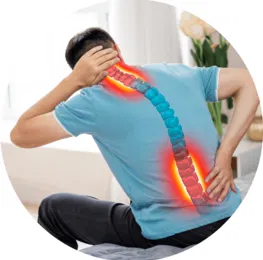
Treatments By body area Knee & joints Spine, neck & back Hip Shoulder By condition Autoimmune & inflammatory Neurological Diabetes Anti-aging & vitality Every treatment uses the same Passage 3 protocol. View all treatments How it works Your journey Testimonials Pricing About The center The company The stem cells Facilities People & place Dr. Diana Reyes The team About Medellín ENES Book your consultation Message us Treatments + By body area Knee & joints Spine, neck & back Hip Shoulder By condition Autoimmune & inflammatory Neurological Diabetes Anti-aging & vitality View all treatments → How it works Your journey Testimonials Pricing About + The company The stem cells Dr. Diana Reyes The team Facilities About Medellín ENES Book your consultation Message us on WhatsApp Blog · Spine science Spine science Lower back pain and stem cells: where the cells go, and why Your low back pain may start in a disc, a small joint or a nerve. Here is how stem cells are applied to each, and what the research shows. 6 min readReviewed with the medical team of Stem Cells Colombia The 30-second version Chronic low back pain often comes from a worn disc, the small facet joints, or an irritated nerve. Stem cells can be placed in each spot under X-ray guidance, aiming to calm inflammation and support repair. Trials into the disc showed improvements in pain and function, building over months. You know the routine. Sit too long, stand too long, bend to tie a shoe and the back sends a sharp memo. You’ve tried the pills, the stretches, maybe an epidural or two, and you want something that lasts. Here is something that often gets lost in the appointments: “low back pain” is not one thing. Knowing where yours starts is the key to knowing whether stem cells could help, and where they would need to go. Where does chronic back pain actually come from? Three structures cause a large share of it. The discs, the cushions between your vertebrae, can dry out and crack. The facet joints, small joints at the back of each level, can wear like any other joint. And the nerve roots can get squeezed or inflamed as they leave the spine. Often it’s more than one at the same time. That is why the same MRI finding can hurt a lot in one person and hardly at all in another. In plain wordsDiscogenic pain pain that starts in the disc itself, usually because it has worn down or has small tears in its outer ring. Why isn’t it just a mechanical problem? A worn disc is not only a flat tire. As it degenerates, it also produces inflammatory chemicals that irritate nearby nerves, and it has very little blood supply to fix itself. Painkillers quiet the signal and cortisone calms the inflammation for a while, but neither changes the environment inside the disc. That gap is exactly what regenerative medicine is trying to work on. What would the cells do there? Mesenchymal stem cells, or MSCs, act mainly as messengers. Placed at the source, they release signals that may lower inflammation and help the disc’s own cells keep up with repairs. Think of the disc as a garden in a drought. The cells work like a gardener who fixes the irrigation, so what is still alive has a better chance. MythStem cells grow you a brand-new disc. Reality: The aim is to calm inflammation and support your body’s own repair. Trials track pain and function, where they have shown improvements. Where exactly do the cells go? Into the disc (intradiscal), for pain that starts in a worn or torn disc. Into the epidural space, around the nerve roots, for sciatica and nerve irritation. Into the facet joints, for arthritis in those small joints. All three are done under fluoroscopy, a live X-ray that shows the needle’s path in real time. Which ones you need depends on your imaging and your symptoms, not on a standard package. Tip A recent MRI is worth more than a stack of old X-rays. X-rays rarely show what is happening inside a disc. What does a specialist check first? Some back problems need a surgeon, and fast. New weakness in a leg, numbness in the groin, or trouble controlling your bladder or bowels are reasons to go to an emergency room, not to plan a trip. A specialist reviews your imaging first, including the stability of your spine and the space around each nerve, so your plan is designed for you. What does the research show? For injections into the disc, the evidence is the most developed. A 2026 meta-analysis of seven randomized trials found that MSCs reduced pain and disability more than sham or placebo, with no difference in side effects. The improvement was statistically meaningful. For the facet joints and the epidural space, research is growing. The 2025 guideline from the American Society of Interventional Pain Physicians (ASIPP) gives facet joint injections with PRP and mesenchymal stem cells a moderate, consensus-based recommendation, based on evidence it rates as Level IV. For disc injections with mesenchymal stem cells, the same guideline rates the evidence as fair (Level III). What this means for you Ask your doctor which structure your pain most likely comes from: disc, facet joint or nerve. Ask for a specialist review of a recent MRI, so your plan is designed for your spine. Send your MRI on WhatsApp for a free evaluation; improvement is usually expected at 4–6 months, and your plan and price come in writing, with no commitment. Where the evidence stands Lab & animal studiesFirst human studiesSeveral clinical trialsStandard of care For discogenic low back pain there are several randomized trials, and a recent meta-analysis found statistically meaningful improvements in pain and function with an acceptable safety profile, and an observational study with umbilical cord MSCs reported lasting pain relief without adverse reactions. Research on facet and epidural applications is growing. Intradiscal mesenchymal stem cell therapy for degenerative disc
Stem Cell Therapy for Neck Pain: What the Evidence Supports, and How We Treat It
Treatments By body area Knee & joints Spine, neck & back Hip Shoulder By condition Autoimmune & inflammatory Neurological Diabetes Anti-aging & vitality Every treatment uses the same Passage 3 protocol. View all treatments How it works Your journey Testimonials Pricing About The center The company The stem cells Facilities People & place Dr. Diana Reyes The team About Medellín ENES Book your consultation Message us Treatments + By body area Knee & joints Spine, neck & back Hip Shoulder By condition Autoimmune & inflammatory Neurological Diabetes Anti-aging & vitality View all treatments → How it works Your journey Testimonials Pricing About + The company The stem cells Dr. Diana Reyes The team Facilities About Medellín ENES Book your consultation Message us on WhatsApp Blog · Neck pain Neck pain Stem Cell Therapy for Neck Pain: What the Evidence Supports, and How We Treat It Neck pain is a symptom, not a diagnosis. What disc research shows, where it stops for the cervical spine, and how a spinal case is assessed and treated in Medellín. 5 min readReviewed with the medical team of Stem Cells Colombia The 30-second version Neck pain can come from muscle, facet joints, a degenerated disc or a compressed nerve root. Cell therapy is relevant to some of these and not to others. The human studies on disc pain are small, mostly early-phase, and almost all in the lower back, not the neck. Nothing is scheduled before imaging and a clinical assessment, and each spinal dose is calculated from your own imaging. Neck pain affected around 203 million people worldwide in 2020, and that number is projected to reach 269 million by 2050 (GBD 2021 Neck Pain Collaborators, 2024). It is common, it is disabling, and it is one of the conditions patients most often ask us about. It is also where most articles on this subject go wrong from the first line. “Neck pain” is a symptom, not a diagnosis. It can come from muscle and soft tissue, from the facet joints, from a degenerated disc, or from a nerve root being compressed. Those are different problems with different treatments. Cell therapy is relevant to some of them and not to others. So the first question is never whether stem cells work. It is what is actually causing your pain — which is why nothing should be scheduled before imaging and a clinical assessment. What the evidence shows, and one limitation worth knowing The most relevant human research looks at pain coming from a degenerated disc. In one study, twenty-six patients received an injection of their own bone marrow cells into the disc. Disability scores fell from 56.5 to 25.0 and pain scores from 79.3 to 29.2 over twelve months. Notably, patients who received a higher concentration of mesenchymal cells improved faster and more than those who received less (Pettine et al., 2015). A phase I trial injected adipose-derived mesenchymal cells with hyaluronic acid into the discs of ten patients. No procedure-related or cell-related adverse events occurred over a year, pain and function improved in six of them, and three showed increased water content in the disc on MRI (Kumar et al., 2017). A later phase I study in eight patients reported improvement in six, with radiological changes in four (Lee et al., 2023). Now the limitation, and it matters more than any of the numbers above. Almost all of this research was done on the lower back, not the neck. Cervical-specific human data is very thin. The lumbar and cervical spine share a structure, but they differ in load, anatomy and risk — so applying these results to the neck is an extrapolation, and we would rather call it that than pretend otherwise. Two further points of honesty. These trials were small and mostly uncontrolled early-phase studies. And they used the patient’s own cells from bone marrow or fat, while our protocol uses umbilical cord cells — related work, not identical. MythIf it works in the lower back, it is proven for the neck. Reality: The lumbar and cervical spine differ in load, anatomy and risk. Applying lower-back results to the neck is an extrapolation, and cervical-specific human data is very thin. How we treat neck pain at Stem Cells Colombia Everything begins with the assessment. Our medical leader reviews the written imaging reports and clinical history before a case is accepted, and the plan is built from what the images actually show. There is no standard dose for the spine. Unlike a knee or a shoulder, where the dose is defined, each spinal case is calculated from that patient’s own imaging. Spinal procedures are performed in the operating room at our treatment center, under sedation and guided by fluoroscopy, so the cells are placed precisely where the assessment indicates — intradiscal, facet, paravertebral or epidural, depending on the case. We apply mesenchymal stem cells derived from umbilical cord tissue, expanded in GMP-certified laboratories and used at a fixed point, passage 3. Every batch is tested before release and each patient receives the certificate of analysis for their own vials. We never apply corticosteroid alone; depending on the case the cells may be combined with exosomes or with PRP, but the cells are always the treatment. Recovery and what to expect Recovery is honest work. Expect three to five days of soreness, a minimum of two days in Colombia after the procedure, and no anti-inflammatory drugs afterwards — patients take only what the treating physician prescribes, so the cells are left to act. Where improvement occurs it is generally described between four and six months, sometimes later, and that timing is not something we guarantee. Follow-up consultations are included with our sports medicine physician. Some patients do not improve, and this is not a replacement for physiotherapy or for the care your own doctor has planned. It is one option, offered where the assessment supports it. 4–6 months: when improvement, where it occurs, is generally described. Sometimes later, and never guaranteed What this means