
Why Choose Stem Cells Colombia in Medellín for Your Stem Cell Therapy
If you’re seeking advanced regenerative therapy, Stem Cells Colombia in Medellín is your top choice. Our clinic offers world-class stem cell treatments using the latest techniques and highest safety standards. Here’s why so many patients from around the world trust us with their health and recovery. State-of-the-Art Stem Cell Sources and Processing We utilize mesenchymal stem cells derived from the umbilical cord, a safe and ethically sourced material known for its potency and regenerative capacity. Our cells are carefully processed through a precise protocol—passage 3 with 12 cell replications—ensuring maximum effectiveness. To guarantee transparency and safety, we provide each patient with a full certificate of quality for their treatment. Experienced Medical Team Our team includes certified specialists in stem cell applications who focus on providing personalized and effective care. All procedures are performed in a fully equipped operating room, not in a typical clinic setting, ensuring the highest safety and sterility standards. Precise, Comfortable Procedures For joint and spine treatments, we rely on advanced guidance techniques like ultrasound or fluoroscopy. These methods allow for highly accurate placement of the stem cells, enhancing their regenerative potential. Procedures are performed under local anesthesia or sedation, prioritizing patient comfort and minimizing discomfort. Comprehensive and Personalized Care In addition to stem cell therapy, we offer a range of supportive treatments to optimize results. These include hyperbaric oxygen therapy, IV infusions of amino acids and vitamins, and advanced diagnostics such as MRI scans, complete blood tests, and epigenetic analysis. These tools help us tailor your treatment plan based on your individual needs. Full Support for Our Patients From the moment you decide to undergo treatment, our team provides full support. We include hotel accommodations and transfers as part of your package, and you will be assisted by a dedicated bilingual patient care coordinator throughout your journey. Our goal is a seamless, stress-free experience from start to finish. Certified and Experienced Doctors All our physicians are certified in stem cell applications, ensuring you receive expert care from highly trained professionals. Their experience and adherence to rigorous safety protocols guarantee the best possible outcomes. Affordable Pricing Our stem cell treatments are competitively priced to make advanced regenerative therapy accessible. The cost for a comprehensive MSC treatment package starts at $2,500 USD, which includes the procedure, diagnostics, advanced therapies, hotel accommodations, transfers, and personalized support. We ensure transparency with no hidden costs—just clear, honest pricing for top-quality care. Choose Stem Cells Colombia in Medellín for a trusted, personalized, and cutting-edge regenerative medicine experience.
Unlocking Longevity and Better Health with Umbilical Cord-Derived Mesenchymal Stem Cells
In recent years, the field of regenerative medicine has witnessed incredible advances, and one of the most exciting developments is the use of mesenchymal stem cells (MSCs) derived from the umbilical cord. These special cells, harvested from the Wharton’s jelly of the umbilical cord, have shown great promise in promoting overall health, slowing down the aging process, and enhancing longevity. The Unique Properties of Umbilical Cord MSCs Umbilical cord MSCs are unique because of their high regenerative potential and low risk of immune rejection. Unlike other stem cell sources, they are readily available, ethically obtained, and rich in powerful bioactive molecules that support healing at a cellular level. These cells can differentiate into various types of tissues, supporting repair and renewal throughout the body. Combating Inflammation and Age-Related Disease One of the most important ways these stem cells benefit health is through their ability to combat inflammation—a major contributor to many age-related diseases such as cardiovascular problems, neurodegenerative conditions, and metabolic disorders. Chronic inflammation can accelerate aging, but MSCs help to regulate immune responses, reduce inflammation, and create a healthier environment for cells to thrive. This helps in maintaining better organ function and reducing the risk of disease. Promoting Tissue Regeneration and Vitality Beyond reducing inflammation, umbilical cord MSCs secrete a wide range of growth factors and cytokines that promote tissue regeneration, improve blood circulation, and support cellular repair. These bioactive substances encourage the production of new blood vessels, boost collagen synthesis, and assist in repairing damaged tissues, contributing to healthier skin, joints, and overall vitality. Activating Natural Repair Mechanisms Furthermore, mesenchymal stem cells play a role in activating the body’s natural repair mechanisms, which tend to decline with age. By boosting the regenerative capacity of tissues and organs, MSC therapy can potentially slow down the aging process, improve energy levels, and increase resilience against age-related health issues. Extending Healthspan Clinical studies suggest that MSCs from the umbilical cord could be a key tool in extending healthspan—the period of life spent in good health—and helping individuals age more gracefully. They offer a natural, innovative approach to enhancing longevity by directly supporting the body’s own healing and regenerative abilities. In essence, umbilical cord-derived mesenchymal stem cells represent a promising frontier in anti-aging and regenerative medicine. They hold the potential not only to treat existing health conditions but also to support your overall vitality and longevity as you age. As science continues to uncover their full capabilities, these remarkable cells could become an essential part of health and wellness strategies for the future.
Regenerative Medicine Tools for Sexual Health: A Deeper Look into Techniques and Science
Regenerative medicine is revolutionizing the approach to sexual health by leveraging advanced scientific techniques aimed at repairing and restoring tissues through the body’s own regenerative potential. This innovative field uses a variety of tools and methodologies to address conditions such as erectile dysfunction, vaginal atrophy, and diminished libido, providing solutions that go beyond symptom management to promote natural healing and long-term improvement. Stem Cell Therapy One of the cornerstone techniques in regenerative sexual health is stem cell therapy. This involves harvesting stem cells—most commonly from adipose (fat) tissue or bone marrow—and injecting them into the affected areas. These cells possess the unique ability to differentiate into various cell types, stimulate angiogenesis (formation of new blood vessels), and release growth factors that promote tissue regeneration. For example, in erectile dysfunction, stem cells help repair damaged penile corpora cavernosa tissue, enhance blood flow, and regenerate nerve signals, leading to more natural and sustained improvements in erectile function. Platelet-Rich Plasma (PRP) Therapy Another prominent tool is platelet-rich plasma (PRP) therapy, often called the “Vampire” treatment due to its use of the patient’s own blood. PRP involves drawing blood, centrifuging it to concentrate platelets, and then injecting this platelet-rich plasma into targeted tissues. Platelets release numerous growth factors such as PDGF, VEGF, and TGF-β, which facilitate tissue repair, increase collagen synthesis, and promote new blood vessel formation. In sexual health, PRP is frequently applied to restore vaginal tissue elasticity, enhance lubrication, and improve sexual responsiveness, especially in menopause-related atrophy. Tissue Engineering Tissue engineering utilizes bioengineered scaffolds combined with cellular therapies to support the growth of new tissue. In vaginal rejuvenation, for example, collagen matrices or hydrogel scaffolds infused with stem cells or growth factors serve as a framework for tissue regeneration. These scaffolds help in restoring tissue volume, elasticity, and function by mimicking the natural extracellular matrix. Extracorporeal Shockwave Therapy (ESWT) Extracorporeal shockwave therapy (ESWT) is another technique used to improve microcirculation in erectile tissues. Using low-intensity sound waves, ESWT stimulates angiogenesis and nerve regeneration, leading to increased blood flow and cellular repair in the penile tissue. This non-invasive method has shown promising results for men with vasculogenic ED by addressing the vascular component of the disorder. Gene Therapy Gene therapy is an emerging frontier, where specific genes responsible for tissue growth, blood vessel formation, or nerve regeneration are delivered directly into tissues using vectors such as viruses or nanoparticles. Although still largely in experimental stages, gene therapy holds the potential to induce sustained regenerative effects in sexual tissues. The Science Behind Regenerative Medicine The science behind these tools is rooted in understanding cellular signaling pathways—such as the VEGF pathway for angiogenesis or the TGF-β pathway for collagen synthesis—and harnessing growth factors (like IGF-1 and FGF) to stimulate tissue repair. These treatments aim to activate the body’s innate healing mechanisms, resulting in improved function, sensation, and tissue quality. By integrating these advanced tools and techniques, regenerative medicine offers a minimally invasive, natural approach to enhancing sexual function and health. It moves away from temporary solutions towards sustainable healing, with the potential to significantly improve quality of life and intimacy for many individuals. As ongoing research continues to refine these therapies, the future of sexual regenerative treatments promises even greater efficacy and broader applications.
Mesenchymal Stem Cells from Wharton’s Jelly: A Promising Approach for Arthritis Treatment
Arthritis is a prevalent condition characterized by inflammation and degeneration of the joints, leading to pain, stiffness, and reduced mobility. As the global population ages, the incidence of arthritis continues to rise, necessitating the development of more effective treatment options. Recent studies have explored the potential of mesenchymal stem cells (MSCs) derived from Wharton’s jelly of the umbilical cord as a novel therapeutic avenue for arthritis. Understanding Mesenchymal Stem Cells Mesenchymal stem cells are multipotent stem cells that can differentiate into various cell types, including osteocytes, chondrocytes, and adipocytes. Wharton’s jelly, the gelatinous substance found in the umbilical cord, is a rich source of these stem cells. According to a review by Wang et al. (2017), “MSCs from Wharton’s jelly exhibit high proliferation rates and have the ability to differentiate into multiple cell lineages, making them ideal candidates for regenerative therapies.” Mechanisms of Action in Arthritis The therapeutic potential of MSCs in arthritis is attributed to several mechanisms: 1. Anti-Inflammatory PropertiesMSCs have demonstrated the ability to modulate the immune response and reduce inflammation. A study by Gao et al. (2020) found that “MSCs can secrete various cytokines and growth factors that promote a shift from pro-inflammatory to anti-inflammatory pathways in the joint environment.” 2. Tissue RegenerationMSCs can facilitate tissue repair and regeneration by promoting the synthesis of extracellular matrix components and enhancing chondrogenesis. Bai et al. (2018) reported that “MSCs from Wharton’s jelly can differentiate into chondrocytes in vitro, providing a potential mechanism for cartilage repair in arthritic joints.” 3. Homologous MigrationUpon administration, MSCs can migrate to the site of injury or inflammation. According to Roodhart et al. (2013), “the homing potential of MSCs allows them to deliver their therapeutic effects directly where they are needed most.” Clinical Applications Several clinical trials have investigated the efficacy of Wharton’s jelly-derived MSCs in treating arthritis. A pilot study published in the Journal of Translational Medicine demonstrated that intra-articular injections of MSCs led to significant pain relief and improved joint function in patients with osteoarthritis. The authors concluded that “the application of Wharton’s jelly-derived MSCs could provide a safe and effective alternative to traditional treatments for arthritis.” Conclusion Mesenchymal stem cells derived from Wharton’s jelly represent a novel and promising approach to arthritis treatment. Their anti-inflammatory properties, capacity for tissue regeneration, and ability to migrate to sites of injury offer hope for improved management of this debilitating condition. References
Understanding the Epigenetic Test: What It Is and How It Can Benefit Your Life
An epigenetic test is a cutting-edge tool that provides insights into how your genes are functioning beyond just your DNA sequence. While your genetic code remains largely fixed, epigenetic modifications—chemical markers attached to your DNA—can turn genes on or off. These changes are influenced by various factors such as diet, environmental exposures, stress, and aging. This kind of testing involves analyzing DNA samples, often collected in a simple and non-invasive way, such as from hair, saliva, or blood. The goal is to understand how these epigenetic markers relate to your overall health and biological aging process. By identifying specific patterns or markers, you can gain a much clearer picture of your current health status and potential future risks. Disease Prevention Through Epigenetic Insights One of the main advantages of epigenetic testing is its ability to help in the prevention of diseases. Many health conditions, including heart disease, diabetes, and neurodegenerative disorders, have epigenetic components. By detecting early signs of epigenetic changes associated with these illnesses, you can make targeted lifestyle adjustments. For example, adopting a healthier diet, increasing physical activity, managing stress, and improving sleep habits can all influence your epigenetics in a positive way, reducing the likelihood of developing certain diseases later on. Longevity and Healthy Aging Beyond disease prevention, epigenetic testing offers valuable insights into longevity and healthy aging. As we grow older, our epigenetic markers naturally change, which can affect how quickly we age and how resilient our bodies remain. By understanding these markers, you can take proactive steps to promote healthier aging, such as personalized nutrition plans, exercise routines, or stress reduction techniques. This personalized approach can help improve your quality of life, maintain cognitive functions, and potentially extend your lifespan. Empowering Personal Health Decisions Moreover, epigenetic testing empowers individuals with knowledge about their biology, enabling more informed decisions about their health. Since many factors that influence epigenetics are within your control, such as lifestyle choices, this testing provides a pathway to actively participate in your wellness journey. In summary, an epigenetic test is a powerful, non-invasive way to explore how your genes are functioning, influenced by your environment and habits. It can play a crucial role in disease prevention, help you understand and optimize your aging process, and foster healthier living at any age. As science continues to advance, the potential for epigenetic insights to revolutionize personal health and longevity becomes increasingly evident, making it an exciting tool for anyone interested in taking charge of their health destiny.
Intravenous Stem Cell Treatment: A Promising Frontier in Preventive Medicine and Anti-Aging

As the quest for longevity and optimal health continues, intravenous stem cell treatment has emerged as a groundbreaking approach in preventive medicine and anti-aging therapies. This innovative treatment utilizes the regenerative capabilities of stem cells to enhance health, boost the immune system, and potentially stave off age-related diseases. The Science Behind Stem Cell Therapy Stem cells are unique in their ability to differentiate into various cell types and regenerate damaged tissues. According to Dr. Anthony Atala, director of the Wake Forest Institute for Regenerative Medicine, “Stem cells hold the key to healing, as they can adapt and transform to meet the needs of the body, promoting repair and rejuvenation” (Atala, 2020). One of the most promising applications of stem cells is their intravenous administration, which allows for efficient distribution throughout the body, potentially enhancing systemic health. Preventive Health Benefits Intravenous stem cell treatment is being explored as a means to mitigate the risk of chronic diseases. Research suggests that stem cells can help restore balance in the immune system, thereby enabling the body to better defend itself against diseases. A study published in Stem Cell Reports highlights that “the immunomodulatory properties of stem cells can reduce inflammation and enhance tissue repair, making them integral in preventing age-related conditions” (Zhu et al., 2019). Moreover, stem cells play a crucial role in maintaining homeostasis in the body. By regenerating damaged cells and tissues, they may reduce the likelihood of developing degenerative diseases such as diabetes, arthritis, and cardiovascular conditions. Dr. David Sinclair, a renowned researcher in the field of aging, states, “Harnessing the power of stem cells not only holds promise for repairing injury but could also revolutionize how we approach the aging process” (Sinclair, 2021). Anti-Aging Potential The anti-aging properties of intravenous stem cell treatment are gaining significant attention. Aging is characterized by a decline in cellular function and regeneration, leading to various health issues. Stem cells can help reverse some of these declines by regenerating damaged tissues, enhancing cellular repair mechanisms, and promoting the production of important biomolecules. According to Dr. Shai Efrati, a pioneer in the field of stem cell therapy, “By rejuvenating the body’s cells, we may not only extend lifespan but also improve the quality of life, allowing individuals to remain active and healthy far into their later years” (Efrati, 2020). In conclusion, intravenous stem cell treatment represents a promising avenue in preventive medicine and anti-aging. As more research unfolds, the vision of using stem cells for enhancing health and longevity may become a reality, potentially reshaping the landscape of healthcare for future generations. References: Zhu, Z., et al. (2019). “The immunomodulatory effects of mesenchymal stem cells on chronic inflammatory diseases.” Stem Cell Reports, 12(6), 1097-1111.
Understanding Aging and How to Reverse It: Becoming Our Own Benjamin Button

As we age, our cells undergo a process known as cellular senescence, where they lose the ability to function properly and can even impair the surrounding healthy cells. These “aged” or senescent cells contribute to the aging process and are linked to various age-related diseases. However, recent research has unveiled the rejuvenating potential of stem cells and senolytic compounds—anti-aging agents that target and eliminate senescent cells—offering hope for alleviating the symptoms of aging. Stem cells and senolytic compounds hold promise as powerful anti-aging therapies because they have the ability to repair damaged tissues and restore cellular and organ function . The potential benefits of stem cell therapy and senolytic compounds for aging include improvements in skin health, enhanced tissue repair, reduced inflammation, and overall rejuvenation of cellular performance. As we age, the number and functionality of our stem cells decline, slowing down the body’s ability to repair tissues and increasing vulnerability to diseases. By transplanting healthy stem cells, researchers aim to restore regenerative capacity and mitigate the effects of aging. In addition, rejuvenating compounds such as NAD (Nicotinamide Adenine Dinucleotide), metformin, and estradiol are being studied for their ability to slow down or even reverse the senescence process. These compounds may offer new ways to fight age-related decline, improving quality of life and extending healthspan. By harnessing the potential of stem cells and senolytic compounds, we may be able to slow the aging process and perhaps even turn back the biological clock, inching closer to our very own version of Benjamin Button. by Lina Palacio PhDhttps://ca.linkedin.com/in/lina-palacio
Osteoarthritis of the Knee
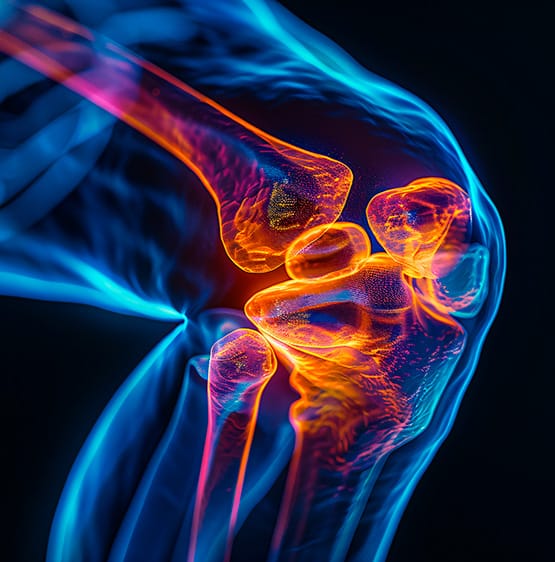
Stem Cell Therapy for Osteoarthritis of the Knee: A Scientific Perspective Osteoarthritis (OA) of the knee is a debilitating condition that affects millions of individuals worldwide, causing pain, stiffness, and reduced mobility. Conventional treatments, such as anti-inflammatory medications, physical therapy, and even surgical interventions, often provide only temporary relief or come with significant risks. In recent years, stem cell therapy has emerged as a promising alternative for managing knee osteoarthritis. Backed by scientific advancements, this innovative approach leverages the body’s regenerative capabilities to restore joint function and improve quality of life. What Are Stem Cells and How Do They Work? Stem cells are unique, undifferentiated cells with the ability to develop into specialized cell types, such as cartilage, bone, or muscle. Mesenchymal stem cells (MSCs), derived from sources like bone marrow, adipose tissue, or umbilical cord tissue, have shown particular promise in treating osteoarthritis. These cells are known for their ability to: Dr. Brian Cole, an orthopedic surgeon and stem cell researcher, explains: “MSCs have the potential to halt the progression of osteoarthritis by regenerating cartilage and improving the joint environment. This is a game-changer for patients who otherwise face limited options.” The Science Behind Stem Cell Therapy for Knee Osteoarthritis Several studies have demonstrated the efficacy of stem cell therapy in treating knee osteoarthritis. A 2019 systematic review published in the Journal of Orthopaedic Surgery and Research found that MSC injections significantly reduced pain and improved joint function in patients with knee OA. The study highlighted the cells’ ability to regenerate cartilage and improve overall joint health. Another pivotal study published in Stem Cells International (2020) demonstrated that MSCs could reduce inflammation and slow down the degenerative processes in osteoarthritic joints. The researchers noted that patients who received stem cell therapy experienced long-lasting pain relief and improved mobility compared to those undergoing traditional treatments. Benefits of Stem Cell Therapy for Knee Osteoarthritis “After years of struggling with knee pain, I opted for stem cell therapy instead of surgery,” shares Maria, a 57-year-old patient. “Within months, I noticed a dramatic improvement in my mobility and pain levels. It gave me my life back.” Why Early Intervention Matters Experts emphasize the importance of seeking stem cell therapy at an early stage of osteoarthritis. While the treatment can benefit advanced cases, the regenerative potential is maximized when cartilage damage is less severe. Dr. Cole adds, “The earlier we can intervene, the better the outcomes. Stem cells can prevent irreversible joint damage and delay or eliminate the need for surgery.” Conclusion Stem cell therapy represents a revolutionary approach to managing osteoarthritis of the knee. By addressing the root causes of joint degeneration, this treatment offers a path to pain relief, improved mobility, and long-term joint health. As the science continues to evolve, stem cells hold the promise of transforming the way we treat knee osteoarthritis, providing hope to millions of patients worldwide. For those considering this cutting-edge therapy, consulting with a specialist to evaluate individual needs and treatment options is essential. As Maria’s story illustrates, stem cell therapy isn’t just about managing symptoms; it’s about regaining freedom and quality of life.
Mesenchymal Stem Cells from Wharton’s Jelly: A Promising Approach for Arthritis Treatment

Arthritis is a prevalent condition characterized by inflammation and degeneration of the joints, leading to pain, stiffness, and reduced mobility. As the global population ages, the incidence of arthritis continues to rise, necessitating the development of more effective treatment options. Recent studies have explored the potential of mesenchymal stem cells (MSCs) derived from Wharton’s jelly of the umbilical cord as a novel therapeutic avenue for arthritis Understanding Mesenchymal Stem Cells Mesenchymal stem cells are multipotent stem cells that can differentiate into various cell types, including osteocytes, chondrocytes, and adipocytes. Wharton’s jelly, the gelatinous substance found in the umbilical cord, is a rich source of these stem cells. According to a review by Wang et al. (2017), “MSCs from Wharton’s jelly exhibit high proliferation rates and have the ability to differentiate into multiple cell lineages, making them ideal candidates for regenerative therapies.” Mechanisms of Action in Arthritis The therapeutic potential of MSCs in arthritis is attributed to several mechanisms: 1. Anti-Inflammatory Properties: MSCs have demonstrated the ability to modulate the immune response and reduce inflammation. A study by Gao et al. (2020) found that “MSCs can secrete various cytokines and growth factors that promote a shift from pro-inflammatory to anti-inflammatory pathways in the joint environment.” 2. Tissue Regeneration: MSCs can facilitate tissue repair and regeneration by promoting the synthesis of extracellular matrix components and enhancing chondrogenesis. Bai et al. (2018) reported that “MSCs from Wharton’s jelly can differentiate into chondrocytes in vitro, providing a potential mechanism for cartilage repair in arthritic joints.” 3. Homologous Migration: Upon administration, MSCs can migrate to the site of injury or inflammation. According to Roodhart et al. (2013), “the homing potential of MSCs allows them to deliver their therapeutic effects directly where they are needed most.” Clinical Applications Several clinical trials have investigated the efficacy of Wharton’s jelly-derived MSCs in treating arthritis. A pilot study published in the Journal of Translational Medicine demonstrated that intra-articular injections of MSCs led to significant pain relief and improved joint function in patients with osteoarthritis. The authors concluded that “the application of Wharton’s jelly-derived MSCs could provide a safe and effective alternative to traditional treatments for arthritis.” Conclusion Mesenchymal stem cells derived from Wharton’s jelly represent a novel and promising approach to arthritis treatment. Their anti-inflammatory properties, capacity for tissue regeneration, and ability to migrate to sites of injury offer hope for improved management of this debilitating condition. References – Wang, L., et al. (2017). Umbilical cord-derived mesenchymal stem cells: A source of regenerative therapy. Cellular & Molecular Life Sciences, 74(3), 529-544. – Gao, F., et al. (2020). The immunomodulatory effects of mesenchymal stem cells and their therapeutic applications in bone and joint diseases. Theranostics, 10(18), 8326-8341. – Bai, X., et al. (2018). Mesenchymal stem cells derived from Wharton’s jelly for the repair of cartilage defects: A review. Journal of King Saud University – Science, 30(4), 479-485. – Roodhart, J. M. et al. (2013). Mesenchymal stem cells in arthritis and their potential use in therapy: Focus on migration. Rejuvenation Research, 16(2), 100-107. – Journal of Translational Medicine. (year). Intra-articular injection of mesenchymal stem cells for osteoarthritis: a pilot study. Journal Title, volume(issue), pages.
The Therapeutic Potential of Mesenchymal Stem Cells from Umbilical Cord for Systemic Treatment

Mesenchymal stem cells (MSCs) derived from the umbilical cord have garnered significant attention in recent years due to their therapeutic potential in systemic treatment applications. Unlike stem cells from other sources, umbilical cord MSCs offer unique benefits, making them an attractive option for regenerative medicine and therapeutic interventions. This article explores the benefits of umbilical cord-derived MSCs, highlighting recent studies and expert opinions on this promising field. What are Mesenchymal Stem Cells? Mesenchymal stem cells are multipotent stromal cells that can differentiate into a variety of cell types, including osteocytes, adipocytes, and chondrocytes. They are pivotal in supporting tissue regeneration due to their ability to modulate the immune response, enhance tissue repair, and promote angiogenesis. MSCs sourced from the umbilical cord, specifically the Wharton’s jelly, are especially advantageous. Advantages of Umbilical Cord-Derived MSCs Systemic Treatment Applications Umbilical cord-derived MSCs are being investigated for a variety of systemic treatments: Recent Research and Clinical Trials Recent studies have underlined the potential of umbilical cord MSCs in systemic treatments. A study published in Stem Cells Translational Medicine discussed the successful use of umbilical cord MSCs in reducing symptoms in patients with severe COVID-19 through their immunomodulatory actions [6]. Moreover, ongoing clinical trials are exploring their efficacy for conditions like ischemic stroke and Type 1 diabetes, further solidifying their role in modern medicine. Conclusion The use of mesenchymal stem cells from the umbilical cord in systemic treatments represents a paradigm shift in how diseases could be treated in the future. With their accessibility, safety profile, and therapeutic potential, umbilical cord MSCs are poised to make significant contributions to regenerative medicine. As research progresses, these cells offer hope for new, effective treatments for a myriad of diseases, promising improved quality of life for patients worldwide. References