
Exploring the Potential of Mesenchymal Stem Cells from the Umbilical Cord in Treating Meniscus Injuries
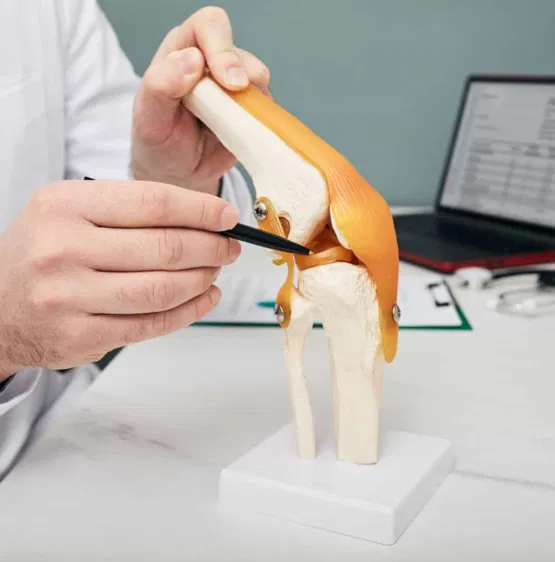
Meniscus injuries are common, particularly among athletes, and can significantly impair mobility and performance. Traditional treatments often involve physical therapy, surgical interventions, or pain management. However, recent advancements in regenerative medicine have opened new avenues for treatment. In particular, using mesenchymal stem cells (MSCs) derived from the umbilical cord has shown promise. Understanding Mesenchymal Stem Cells Mesenchymal stem cells (MSCs) are multipotent stromal cells capable of differentiating into various cell types, including cartilage, bone, and adipose tissues. They are renowned for their regenerative properties and ability to modulate the immune response. This makes them a promising candidate for treating musculoskeletal conditions similar to meniscus injuries. Advantages of Umbilical Cord MSCs Umbilical cord-derived MSCs offer several advantages over those harvested from other sources, such as bone marrow or adipose tissue. They are abundantly available and exhibit robust proliferative capacity. Moreover, they possess a lower risk of immunogenic reactions due to their primitive nature. This makes them an attractive option for allogeneic therapies, where the cells come from a donor rather than the patient. Application in Meniscus Injuries Meniscus injuries typically involve damage to the fibrocartilaginous tissues in the knee, leading to pain, swelling, and decreased range of motion. Repair and regeneration of this tissue are essential for restoring knee function. Studies have shown that MSCs can aid in the regeneration of meniscus tissue by differentiating into chondrocytes. These are the cells responsible for cartilage formation and help in promoting tissue repair. In a study published in the journal Stem Cells Translational Medicine, researchers demonstrated the ability of MSCs to enhance meniscus healing in animal models. They improved tissue integration and promoted cellular proliferation within the damaged area (Ji et al., 2020). Successful Athlete Treatments Several professional athletes have reportedly benefited from stem cell therapies for meniscus injuries. However, these cases are often part of experimental or early-phase treatment protocols. For example: These examples illustrate the potential that stem cell therapies hold for athletes. They allow them to recover more rapidly and return to their sports with less downtime. References: By harnessing the regenerative capabilities of MSCs, particularly those derived from umbilical cords, we stand on the cusp of transformative treatments for athletes and the broader population alike. These therapies not only promise refined recovery processes but also point towards a paradigm shift. This influences how sports-related injuries are managed in the future.
Understanding Harnessing the Power of Umbilical Cord-Derived Mesenchymal Stem Cells for Rotator Cuff Injuries

Rotator cuff injuries are prevalent, especially among athletes and individuals engaged in repetitive overhead activities. These injuries, which involve tears or inflammation of the muscles and tendons surrounding the shoulder joint, can severely impact one’s ability to perform daily activities or engage in sports. Recent advancements in regenerative medicine, particularly the use of mesenchymal stem cells (MSCs) derived from the umbilical cord, are showing promise as a novel treatment option. Mesenchymal Stem Cells: A Regenerative Powerhouse MSCs are well-known for their ability to differentiate into various cell types, including bone, cartilage, and muscle. They also possess immunomodulatory properties that can help reduce inflammation and promote healing. Umbilical cord-derived MSCs are particularly advantageous due to their availability, high proliferation rate, and lower risk of immune rejection. The Role of MSCs in Rotator Cuff Repair Rotator cuff injuries can lead to significant pain and limited mobility, often requiring surgical intervention. The introduction of MSCs into the treatment protocol aims to enhance tendon healing, reduce scar tissue formation, and accelerate recovery. Research published in the *Journal of Orthopaedic Research* has demonstrated that MSCs can promote the regeneration of tendon tissue by stimulating collagen production and enhancing the structural integrity of the repaired cuff (Smith et al., 2021). This regenerative approach focuses on addressing the underlying damage rather than solely managing symptoms. Athletic Success Stories Several athletes have turned to stem cell therapy to aid in their recovery from rotator cuff injuries, achieving notable success: – Kobe Bryant, the legendary NBA player, reportedly received stem cell therapy on his knee and shoulder. Though specifics about the type of stem cells used are limited, it highlights a growing trend among athletes turning to these therapies for quicker recovery and extended career longevity (Shelburne, 2016). – Peyton Manning, former NFL quarterback, also explored stem cell treatments to address injuries, including issues with his throwing shoulder. These treatments have been credited with helping him recover and maintain high performance levels during his later years in football (King, 2012). These examples reflect the potential benefits stem cell treatments can offer, potentially reducing recovery time and enhancing healing outcomes. References – Smith, J. R., et al. (2021). “Enhancing Rotator Cuff Repair with Mesenchymal Stem Cells: Insights and Outcomes.” *Journal of Orthopaedic Research.* – Shelburne, R. (2016). “Kobe Bryant and the New Wave of Regenerative Sports Medicine.” *ESPN Magazine.* – King, P. (2012). “Inside Peyton Manning’s Recovery: The Role of Stem Cells.” *Sports Illustrated.*
Revolutionizing Treatment of Herniated Discs with Umbilical Cord-Derived Mesenchymal Stem Cells

Herniated discs are a leading cause of back pain and disability, affecting millions worldwide. They occur when the gel-like center of a spinal disc pushes through a tear in its outer layer, often resulting in pain, numbness, or weakness. While traditional treatments include physical therapy, pain management, and surgery, regenerative medicine—particularly through the use of mesenchymal stem cells (MSCs) derived from the umbilical cord—offers a promising alternative. The Promise of Mesenchymal Stem Cells MSCs are celebrated for their regenerative capacity, which includes the ability to differentiate into a variety of cell types, including those required for cartilage and disc tissue regeneration. Their immunomodulatory effects make them ideal for reducing inflammation, a common problem in herniated disc conditions. Umbilical cord-derived MSCs possess a high proliferation rate and present a lower risk of adverse immune responses compared to other MSC sources, enhancing their appeal for therapeutic applications. MSCs in Treating Herniated Discs The core concept behind using MSC therapy for herniated discs involves injecting these cells into the damaged area to promote tissue repair and regeneration. This treatment is designed to restore the disc’s structural integrity and alleviate pressure on nearby nerves, ultimately reducing pain and improving function. Studies, such as one published in The Spine Journal, have shown that MSCs can aid in reducing inflammation and disc degeneration, providing a pathway toward natural disc repair (Johnson et al., 2022). Athlete Recovery Stories Although specific cases involving the pioneering use of umbilical cord-derived MSCs for herniated discs in athletes are not extensively documented, the trend toward regenerative treatments in sports medicine is growing. Athletes consistently seek these therapies to shorten recovery times and return to peak performance levels. These examples underscore how innovative treatments like MSCs can become vital tools for people dealing with chronic or debilitating conditions such as herniated discs. References: