
10 Reasons Why Medellín Is a Top Destination for Medical Tourism
Medellín, Colombia’s vibrant and innovative city, has become a leading destination for medical tourism. Combining world-class healthcare with affordable prices and cultural richness, Medellín attracts patients from all over the globe seeking quality medical services. Here are ten compelling reasons why Medellín is a top choice for medical travelers: 1. High-Quality Medical Care Medellín boasts numerous hospitals and clinics accredited internationally, offering advanced medical procedures and specialties such as dental care, cosmetic surgery, orthopedics, and cardiology. 2. Competitive Pricing Medical treatments in Medellín are significantly more affordable compared to North America and Europe, allowing patients to access top-tier care without breaking the bank. 3. Expert Medical Professionals The city is home to highly trained doctors and surgeons often educated or trained abroad, ensuring expertise and excellence in patient care. 4. Modern Medical Facilities Medellín’s hospitals and clinics are equipped with cutting-edge technology and modern amenities, ensuring safe and comfortable treatments. 5. Shorter Waiting Times Compared to many countries with long healthcare queues, Medellín offers prompt appointment scheduling and reduced waiting periods. 6. Beautiful and Welcoming Destination Medellín’s pleasant climate, friendly culture, and vibrant nightlife make recovery and leisure activities enjoyable. 7. Ease of Access With a major international airport, Medellín is easily accessible from North America, Europe, and other parts of Latin America. 8. Language Accessibility Many medical centers offer bilingual services, making communication smooth for international patients. 9. Comprehensive Care Packages Hospitals often provide all-inclusive packages that cover treatment, accommodation, and transportation, simplifying the medical travel experience. 10. Growing Medical Tourism Infrastructure The city continues to expand its medical tourism sector, offering specialized services, wellness retreats, and post-treatment care. Medellín combines quality healthcare, affordability, and a welcoming environment, making it an excellent choice for those seeking medical procedures abroad. Whether you need dental work, cosmetic surgery, or specialized medical treatments, Medellín provides a reliable and enriching experience. Consider Medellín for your next medical journey—you’ll find it’s a city that truly cares about your health and well-being.
Intravenous Stem Cell Treatment: A Promising Frontier in Preventive Medicine and Anti-Aging

As the quest for longevity and optimal health continues, intravenous stem cell treatment has emerged as a groundbreaking approach in preventive medicine and anti-aging therapies. This innovative treatment utilizes the regenerative capabilities of stem cells to enhance health, boost the immune system, and potentially stave off age-related diseases. The Science Behind Stem Cell Therapy Stem cells are unique in their ability to differentiate into various cell types and regenerate damaged tissues. According to Dr. Anthony Atala, director of the Wake Forest Institute for Regenerative Medicine, “Stem cells hold the key to healing, as they can adapt and transform to meet the needs of the body, promoting repair and rejuvenation” (Atala, 2020). One of the most promising applications of stem cells is their intravenous administration, which allows for efficient distribution throughout the body, potentially enhancing systemic health. Preventive Health Benefits Intravenous stem cell treatment is being explored as a means to mitigate the risk of chronic diseases. Research suggests that stem cells can help restore balance in the immune system, thereby enabling the body to better defend itself against diseases. A study published in Stem Cell Reports highlights that “the immunomodulatory properties of stem cells can reduce inflammation and enhance tissue repair, making them integral in preventing age-related conditions” (Zhu et al., 2019). Moreover, stem cells play a crucial role in maintaining homeostasis in the body. By regenerating damaged cells and tissues, they may reduce the likelihood of developing degenerative diseases such as diabetes, arthritis, and cardiovascular conditions. Dr. David Sinclair, a renowned researcher in the field of aging, states, “Harnessing the power of stem cells not only holds promise for repairing injury but could also revolutionize how we approach the aging process” (Sinclair, 2021). Anti-Aging Potential The anti-aging properties of intravenous stem cell treatment are gaining significant attention. Aging is characterized by a decline in cellular function and regeneration, leading to various health issues. Stem cells can help reverse some of these declines by regenerating damaged tissues, enhancing cellular repair mechanisms, and promoting the production of important biomolecules. According to Dr. Shai Efrati, a pioneer in the field of stem cell therapy, “By rejuvenating the body’s cells, we may not only extend lifespan but also improve the quality of life, allowing individuals to remain active and healthy far into their later years” (Efrati, 2020). In conclusion, intravenous stem cell treatment represents a promising avenue in preventive medicine and anti-aging. As more research unfolds, the vision of using stem cells for enhancing health and longevity may become a reality, potentially reshaping the landscape of healthcare for future generations. References: Zhu, Z., et al. (2019). “The immunomodulatory effects of mesenchymal stem cells on chronic inflammatory diseases.” Stem Cell Reports, 12(6), 1097-1111.
Understanding Aging and How to Reverse It: Becoming Our Own Benjamin Button

As we age, our cells undergo a process known as cellular senescence, where they lose the ability to function properly and can even impair the surrounding healthy cells. These “aged” or senescent cells contribute to the aging process and are linked to various age-related diseases. However, recent research has unveiled the rejuvenating potential of stem cells and senolytic compounds—anti-aging agents that target and eliminate senescent cells—offering hope for alleviating the symptoms of aging. Stem cells and senolytic compounds hold promise as powerful anti-aging therapies because they have the ability to repair damaged tissues and restore cellular and organ function . The potential benefits of stem cell therapy and senolytic compounds for aging include improvements in skin health, enhanced tissue repair, reduced inflammation, and overall rejuvenation of cellular performance. As we age, the number and functionality of our stem cells decline, slowing down the body’s ability to repair tissues and increasing vulnerability to diseases. By transplanting healthy stem cells, researchers aim to restore regenerative capacity and mitigate the effects of aging. In addition, rejuvenating compounds such as NAD (Nicotinamide Adenine Dinucleotide), metformin, and estradiol are being studied for their ability to slow down or even reverse the senescence process. These compounds may offer new ways to fight age-related decline, improving quality of life and extending healthspan. By harnessing the potential of stem cells and senolytic compounds, we may be able to slow the aging process and perhaps even turn back the biological clock, inching closer to our very own version of Benjamin Button. by Lina Palacio PhDhttps://ca.linkedin.com/in/lina-palacio
Osteoarthritis of the Knee
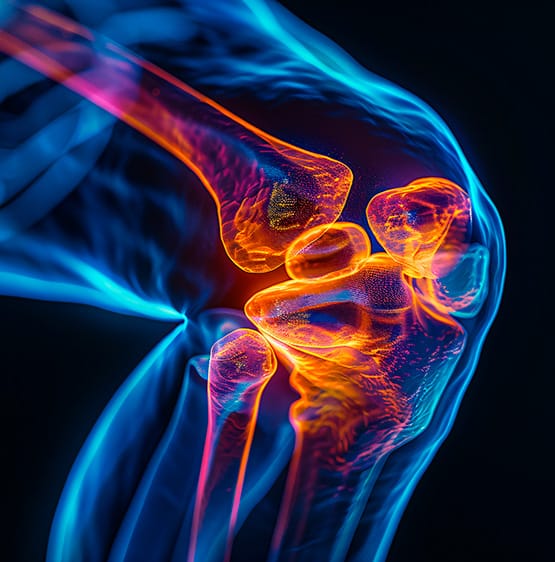
Stem Cell Therapy for Osteoarthritis of the Knee: A Scientific Perspective Osteoarthritis (OA) of the knee is a debilitating condition that affects millions of individuals worldwide, causing pain, stiffness, and reduced mobility. Conventional treatments, such as anti-inflammatory medications, physical therapy, and even surgical interventions, often provide only temporary relief or come with significant risks. In recent years, stem cell therapy has emerged as a promising alternative for managing knee osteoarthritis. Backed by scientific advancements, this innovative approach leverages the body’s regenerative capabilities to restore joint function and improve quality of life. What Are Stem Cells and How Do They Work? Stem cells are unique, undifferentiated cells with the ability to develop into specialized cell types, such as cartilage, bone, or muscle. Mesenchymal stem cells (MSCs), derived from sources like bone marrow, adipose tissue, or umbilical cord tissue, have shown particular promise in treating osteoarthritis. These cells are known for their ability to: Dr. Brian Cole, an orthopedic surgeon and stem cell researcher, explains: “MSCs have the potential to halt the progression of osteoarthritis by regenerating cartilage and improving the joint environment. This is a game-changer for patients who otherwise face limited options.” The Science Behind Stem Cell Therapy for Knee Osteoarthritis Several studies have demonstrated the efficacy of stem cell therapy in treating knee osteoarthritis. A 2019 systematic review published in the Journal of Orthopaedic Surgery and Research found that MSC injections significantly reduced pain and improved joint function in patients with knee OA. The study highlighted the cells’ ability to regenerate cartilage and improve overall joint health. Another pivotal study published in Stem Cells International (2020) demonstrated that MSCs could reduce inflammation and slow down the degenerative processes in osteoarthritic joints. The researchers noted that patients who received stem cell therapy experienced long-lasting pain relief and improved mobility compared to those undergoing traditional treatments. Benefits of Stem Cell Therapy for Knee Osteoarthritis “After years of struggling with knee pain, I opted for stem cell therapy instead of surgery,” shares Maria, a 57-year-old patient. “Within months, I noticed a dramatic improvement in my mobility and pain levels. It gave me my life back.” Why Early Intervention Matters Experts emphasize the importance of seeking stem cell therapy at an early stage of osteoarthritis. While the treatment can benefit advanced cases, the regenerative potential is maximized when cartilage damage is less severe. Dr. Cole adds, “The earlier we can intervene, the better the outcomes. Stem cells can prevent irreversible joint damage and delay or eliminate the need for surgery.” Conclusion Stem cell therapy represents a revolutionary approach to managing osteoarthritis of the knee. By addressing the root causes of joint degeneration, this treatment offers a path to pain relief, improved mobility, and long-term joint health. As the science continues to evolve, stem cells hold the promise of transforming the way we treat knee osteoarthritis, providing hope to millions of patients worldwide. For those considering this cutting-edge therapy, consulting with a specialist to evaluate individual needs and treatment options is essential. As Maria’s story illustrates, stem cell therapy isn’t just about managing symptoms; it’s about regaining freedom and quality of life.
Mesenchymal Stem Cells from Wharton’s Jelly: A Promising Approach for Arthritis Treatment

Arthritis is a prevalent condition characterized by inflammation and degeneration of the joints, leading to pain, stiffness, and reduced mobility. As the global population ages, the incidence of arthritis continues to rise, necessitating the development of more effective treatment options. Recent studies have explored the potential of mesenchymal stem cells (MSCs) derived from Wharton’s jelly of the umbilical cord as a novel therapeutic avenue for arthritis Understanding Mesenchymal Stem Cells Mesenchymal stem cells are multipotent stem cells that can differentiate into various cell types, including osteocytes, chondrocytes, and adipocytes. Wharton’s jelly, the gelatinous substance found in the umbilical cord, is a rich source of these stem cells. According to a review by Wang et al. (2017), “MSCs from Wharton’s jelly exhibit high proliferation rates and have the ability to differentiate into multiple cell lineages, making them ideal candidates for regenerative therapies.” Mechanisms of Action in Arthritis The therapeutic potential of MSCs in arthritis is attributed to several mechanisms: 1. Anti-Inflammatory Properties: MSCs have demonstrated the ability to modulate the immune response and reduce inflammation. A study by Gao et al. (2020) found that “MSCs can secrete various cytokines and growth factors that promote a shift from pro-inflammatory to anti-inflammatory pathways in the joint environment.” 2. Tissue Regeneration: MSCs can facilitate tissue repair and regeneration by promoting the synthesis of extracellular matrix components and enhancing chondrogenesis. Bai et al. (2018) reported that “MSCs from Wharton’s jelly can differentiate into chondrocytes in vitro, providing a potential mechanism for cartilage repair in arthritic joints.” 3. Homologous Migration: Upon administration, MSCs can migrate to the site of injury or inflammation. According to Roodhart et al. (2013), “the homing potential of MSCs allows them to deliver their therapeutic effects directly where they are needed most.” Clinical Applications Several clinical trials have investigated the efficacy of Wharton’s jelly-derived MSCs in treating arthritis. A pilot study published in the Journal of Translational Medicine demonstrated that intra-articular injections of MSCs led to significant pain relief and improved joint function in patients with osteoarthritis. The authors concluded that “the application of Wharton’s jelly-derived MSCs could provide a safe and effective alternative to traditional treatments for arthritis.” Conclusion Mesenchymal stem cells derived from Wharton’s jelly represent a novel and promising approach to arthritis treatment. Their anti-inflammatory properties, capacity for tissue regeneration, and ability to migrate to sites of injury offer hope for improved management of this debilitating condition. References – Wang, L., et al. (2017). Umbilical cord-derived mesenchymal stem cells: A source of regenerative therapy. Cellular & Molecular Life Sciences, 74(3), 529-544. – Gao, F., et al. (2020). The immunomodulatory effects of mesenchymal stem cells and their therapeutic applications in bone and joint diseases. Theranostics, 10(18), 8326-8341. – Bai, X., et al. (2018). Mesenchymal stem cells derived from Wharton’s jelly for the repair of cartilage defects: A review. Journal of King Saud University – Science, 30(4), 479-485. – Roodhart, J. M. et al. (2013). Mesenchymal stem cells in arthritis and their potential use in therapy: Focus on migration. Rejuvenation Research, 16(2), 100-107. – Journal of Translational Medicine. (year). Intra-articular injection of mesenchymal stem cells for osteoarthritis: a pilot study. Journal Title, volume(issue), pages.
The Therapeutic Potential of Mesenchymal Stem Cells from Umbilical Cord for Systemic Treatment
Mesenchymal stem cells (MSCs) derived from the umbilical cord have garnered significant attention in recent years due to their therapeutic potential in systemic treatment applications. Unlike stem cells from other sources, umbilical cord MSCs offer unique benefits, making them an attractive option for regenerative medicine and therapeutic interventions. This article explores the benefits of umbilical cord-derived MSCs, highlighting recent studies and expert opinions on this promising field. What are Mesenchymal Stem Cells? Mesenchymal stem cells are multipotent stromal cells that can differentiate into a variety of cell types, including osteocytes, adipocytes, and chondrocytes. They are pivotal in supporting tissue regeneration due to their ability to modulate the immune response, enhance tissue repair, and promote angiogenesis. MSCs sourced from the umbilical cord, specifically the Wharton’s jelly, are especially advantageous. Advantages of Umbilical Cord-Derived MSCs Systemic Treatment Applications Umbilical cord-derived MSCs are being investigated for a variety of systemic treatments: Recent Research and Clinical Trials Recent studies have underlined the potential of umbilical cord MSCs in systemic treatments. A study published in Stem Cells Translational Medicine discussed the successful use of umbilical cord MSCs in reducing symptoms in patients with severe COVID-19 through their immunomodulatory actions [6]. Moreover, ongoing clinical trials are exploring their efficacy for conditions like ischemic stroke and Type 1 diabetes, further solidifying their role in modern medicine. Conclusion The use of mesenchymal stem cells from the umbilical cord in systemic treatments represents a paradigm shift in how diseases could be treated in the future. With their accessibility, safety profile, and therapeutic potential, umbilical cord MSCs are poised to make significant contributions to regenerative medicine. As research progresses, these cells offer hope for new, effective treatments for a myriad of diseases, promising improved quality of life for patients worldwide. References
Harnessing the Power of Stem Cells: A New Era in Treating Sports Injuries

In recent years, the application of stem cell therapy in treating sports-related injuries has emerged as a groundbreaking approach that offers athletes quicker recovery times and improved healing processes. Stem cells, particularly mesenchymal stem cells (MSCs), are at the forefront of regenerative medicine, providing a promising alternative to traditional treatments such as surgery and prolonged physical therapy. What are Stem Cells and How Do They Work? Stem cells are unique cells with the ability to develop into various cell types, offering great potential for repairing damaged tissues. Mesenchymal stem cells, found in bone marrow, adipose tissue, and umbilical cords, are particularly valuable for their regenerative and anti-inflammatory properties— key factors in treating musculoskeletal injuries common among athletes [1]. Benefits of Stem Cell Therapy for Sports Injuries Success Stories from the Sports World Several high-profile athletes have turned to stem cell therapy to overcome severe injuries and extend their careers: Recent Advances and Research Research continues to validate the effectiveness of stem cell therapy in treating sports injuries. A study published in The American Journal of Sports Medicine showed promising results where athletes with knee osteoarthritis experienced reduced pain and improved function following MSC injections [6]. These findings reinforce the role of stem cells in sports medicine as a dynamic treatment modality. Moreover, clinical trials are underway to explore the utility of stem cells in treating chronic injuries and enhancing the body’s natural healing abilities, further cementing their potential in regenerative sports medicine. Conclusion Stem cell therapy stands at the precipice of revolutionizing treatment for sports injuries, offering athletes both amateur and professional a pathway to faster recovery and prolonged careers. With ongoing research and increasing success stories from athletic icons, stem cells represent a beacon of hope in the pursuit of resilient and long-lasting recovery strategies. References
Exploring the Potential of Mesenchymal Stem Cells from the Umbilical Cord in Treating Meniscus Injuries
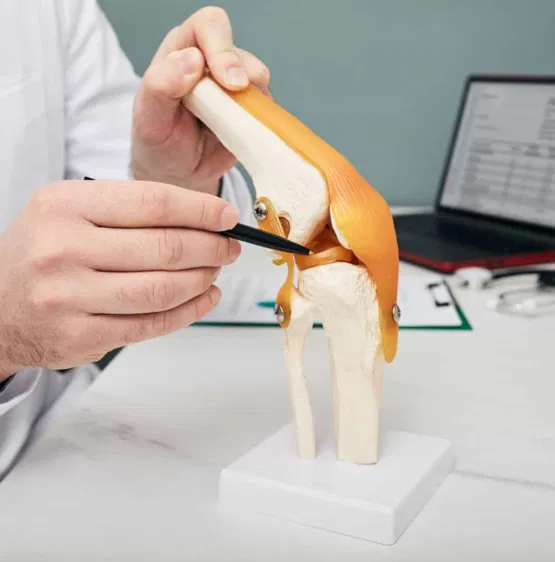
Meniscus injuries are common, particularly among athletes, and can significantly impair mobility and performance. Traditional treatments often involve physical therapy, surgical interventions, or pain management. However, recent advancements in regenerative medicine have opened new avenues for treatment. In particular, using mesenchymal stem cells (MSCs) derived from the umbilical cord has shown promise. Understanding Mesenchymal Stem Cells Mesenchymal stem cells (MSCs) are multipotent stromal cells capable of differentiating into various cell types, including cartilage, bone, and adipose tissues. They are renowned for their regenerative properties and ability to modulate the immune response. This makes them a promising candidate for treating musculoskeletal conditions similar to meniscus injuries. Advantages of Umbilical Cord MSCs Umbilical cord-derived MSCs offer several advantages over those harvested from other sources, such as bone marrow or adipose tissue. They are abundantly available and exhibit robust proliferative capacity. Moreover, they possess a lower risk of immunogenic reactions due to their primitive nature. This makes them an attractive option for allogeneic therapies, where the cells come from a donor rather than the patient. Application in Meniscus Injuries Meniscus injuries typically involve damage to the fibrocartilaginous tissues in the knee, leading to pain, swelling, and decreased range of motion. Repair and regeneration of this tissue are essential for restoring knee function. Studies have shown that MSCs can aid in the regeneration of meniscus tissue by differentiating into chondrocytes. These are the cells responsible for cartilage formation and help in promoting tissue repair. In a study published in the journal Stem Cells Translational Medicine, researchers demonstrated the ability of MSCs to enhance meniscus healing in animal models. They improved tissue integration and promoted cellular proliferation within the damaged area (Ji et al., 2020). Successful Athlete Treatments Several professional athletes have reportedly benefited from stem cell therapies for meniscus injuries. However, these cases are often part of experimental or early-phase treatment protocols. For example: These examples illustrate the potential that stem cell therapies hold for athletes. They allow them to recover more rapidly and return to their sports with less downtime. References: By harnessing the regenerative capabilities of MSCs, particularly those derived from umbilical cords, we stand on the cusp of transformative treatments for athletes and the broader population alike. These therapies not only promise refined recovery processes but also point towards a paradigm shift. This influences how sports-related injuries are managed in the future.
Understanding Harnessing the Power of Umbilical Cord-Derived Mesenchymal Stem Cells for Rotator Cuff Injuries

Rotator cuff injuries are prevalent, especially among athletes and individuals engaged in repetitive overhead activities. These injuries, which involve tears or inflammation of the muscles and tendons surrounding the shoulder joint, can severely impact one’s ability to perform daily activities or engage in sports. Recent advancements in regenerative medicine, particularly the use of mesenchymal stem cells (MSCs) derived from the umbilical cord, are showing promise as a novel treatment option. Mesenchymal Stem Cells: A Regenerative Powerhouse MSCs are well-known for their ability to differentiate into various cell types, including bone, cartilage, and muscle. They also possess immunomodulatory properties that can help reduce inflammation and promote healing. Umbilical cord-derived MSCs are particularly advantageous due to their availability, high proliferation rate, and lower risk of immune rejection. The Role of MSCs in Rotator Cuff Repair Rotator cuff injuries can lead to significant pain and limited mobility, often requiring surgical intervention. The introduction of MSCs into the treatment protocol aims to enhance tendon healing, reduce scar tissue formation, and accelerate recovery. Research published in the *Journal of Orthopaedic Research* has demonstrated that MSCs can promote the regeneration of tendon tissue by stimulating collagen production and enhancing the structural integrity of the repaired cuff (Smith et al., 2021). This regenerative approach focuses on addressing the underlying damage rather than solely managing symptoms. Athletic Success Stories Several athletes have turned to stem cell therapy to aid in their recovery from rotator cuff injuries, achieving notable success: – Kobe Bryant, the legendary NBA player, reportedly received stem cell therapy on his knee and shoulder. Though specifics about the type of stem cells used are limited, it highlights a growing trend among athletes turning to these therapies for quicker recovery and extended career longevity (Shelburne, 2016). – Peyton Manning, former NFL quarterback, also explored stem cell treatments to address injuries, including issues with his throwing shoulder. These treatments have been credited with helping him recover and maintain high performance levels during his later years in football (King, 2012). These examples reflect the potential benefits stem cell treatments can offer, potentially reducing recovery time and enhancing healing outcomes. References – Smith, J. R., et al. (2021). “Enhancing Rotator Cuff Repair with Mesenchymal Stem Cells: Insights and Outcomes.” *Journal of Orthopaedic Research.* – Shelburne, R. (2016). “Kobe Bryant and the New Wave of Regenerative Sports Medicine.” *ESPN Magazine.* – King, P. (2012). “Inside Peyton Manning’s Recovery: The Role of Stem Cells.” *Sports Illustrated.*
Revolutionizing Treatment of Herniated Discs with Umbilical Cord-Derived Mesenchymal Stem Cells

Herniated discs are a leading cause of back pain and disability, affecting millions worldwide. They occur when the gel-like center of a spinal disc pushes through a tear in its outer layer, often resulting in pain, numbness, or weakness. While traditional treatments include physical therapy, pain management, and surgery, regenerative medicine—particularly through the use of mesenchymal stem cells (MSCs) derived from the umbilical cord—offers a promising alternative. The Promise of Mesenchymal Stem Cells MSCs are celebrated for their regenerative capacity, which includes the ability to differentiate into a variety of cell types, including those required for cartilage and disc tissue regeneration. Their immunomodulatory effects make them ideal for reducing inflammation, a common problem in herniated disc conditions. Umbilical cord-derived MSCs possess a high proliferation rate and present a lower risk of adverse immune responses compared to other MSC sources, enhancing their appeal for therapeutic applications. MSCs in Treating Herniated Discs The core concept behind using MSC therapy for herniated discs involves injecting these cells into the damaged area to promote tissue repair and regeneration. This treatment is designed to restore the disc’s structural integrity and alleviate pressure on nearby nerves, ultimately reducing pain and improving function. Studies, such as one published in The Spine Journal, have shown that MSCs can aid in reducing inflammation and disc degeneration, providing a pathway toward natural disc repair (Johnson et al., 2022). Athlete Recovery Stories Although specific cases involving the pioneering use of umbilical cord-derived MSCs for herniated discs in athletes are not extensively documented, the trend toward regenerative treatments in sports medicine is growing. Athletes consistently seek these therapies to shorten recovery times and return to peak performance levels. These examples underscore how innovative treatments like MSCs can become vital tools for people dealing with chronic or debilitating conditions such as herniated discs. References: